When it comes to land, attorneys almost exclusively focus on what is documented within a formal system —legal instruments such as a deed or a title are recognised as evidence of ownership. Surveyors, by contrast, are guided by legal instruments but have to examine what exists on the ground and must investigate how the land is actually occupied. Across the Caribbean, what exists on the ground is a diverse patchwork of communal, customary, indigenous, Maroon and informal typologies that are invisibilized and criminalized by colonial land systems.
These systems of land titling, registration, ownership and alienation are colonial in their origins, and most closely mirror British and Australian laws, despite settlment patterns informed by our African, Asian and Indigenous heritage. This misalignment creates insecurity and impacts communities' abilities to invest in more resilient homes and provides cover for state-sanctioned neglect.
In this conversation, we spoke with Sunil Lalloo, a valuation surveyor, attorney-at-law and professor in Trinidad and Tobago about the colonial legacy of land tenure systems in the Caribbean and how they impact our collective vulnerabilities to disaster.
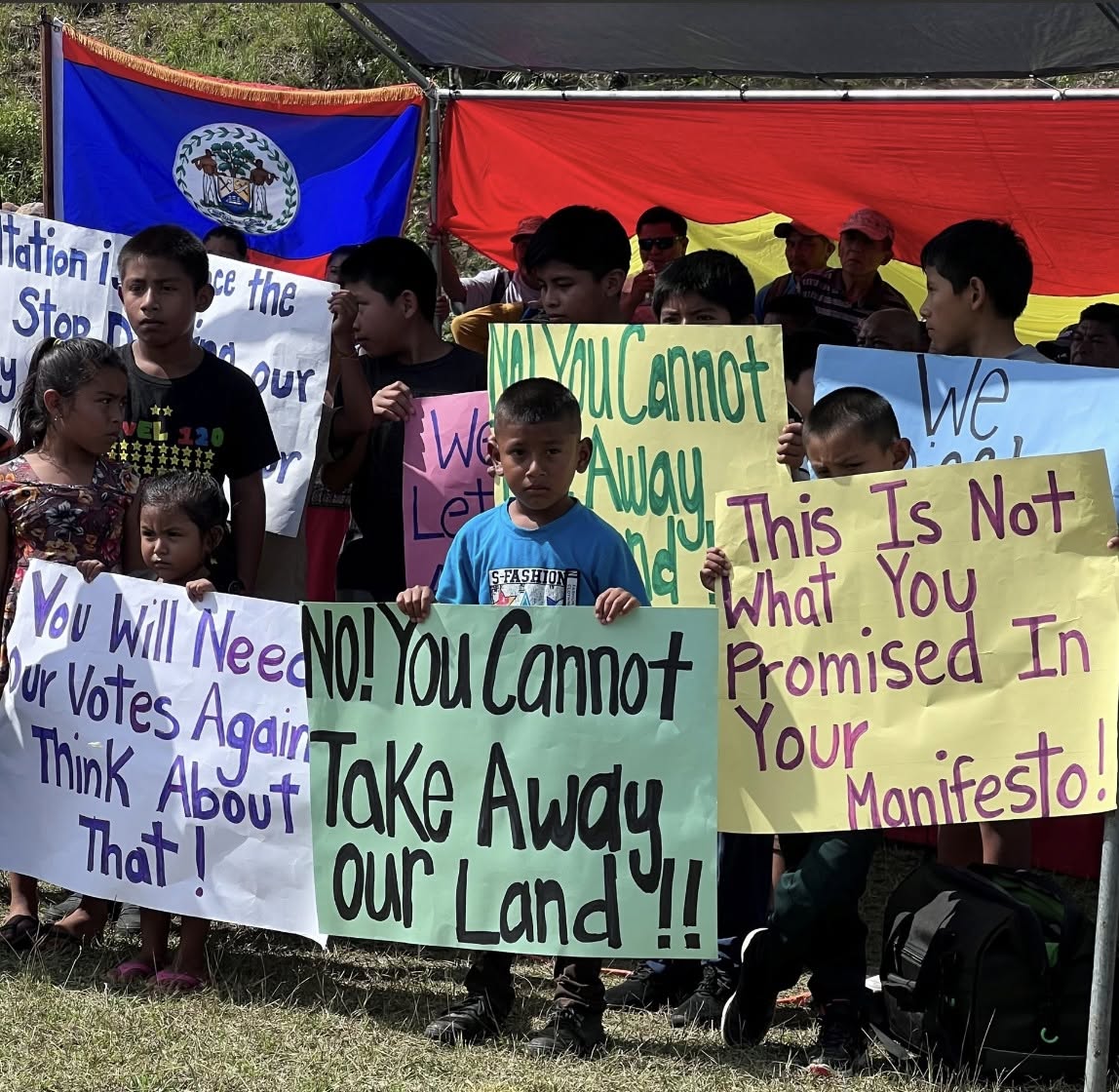
Sunil Lalloo (SL): My name is Sunil Lalloo. I teach in the Department of Geomatics Engineering and Land Management at UWI, where I coordinate the bachelor's degree in Land Management. Professionally, I am a valuation surveyor, I am a Fellow of the Royal Institution of Chartered Surveyors (RICS) and, I am also an attorney-at-law. My research focuses on social tenures in land, and I have also been exploring indigenous land rights recently. One of my current projects concerns indigenous land rights in Belize, particularly Maya lands. A major court case has emerged from this issue, following the 2015 ruling from the Caribbean Court of Justice, which confirmed the rights of indigenous people and their communally held land[1].
I recently began a new project on land tenure, natural hazards, and disaster risk recovery in small island developing states. It identifies key priorities for advocating for land intervention [policy changes] and asks what intra-regional support mechanisms exist for Caribbean states and national actors to support one another. This project is meant to have an advocacy angle, because I believe that we already have sufficient research to understand the problems with climate change and land scarcity.
How does a land surveyor understand land differently from a lawyer? How do the two professions conceptualize land?
SL: Well, there is some overlap, but they each approach it from a different lens. Attorneys sometimes focus on what is documented within a formal system. Legal instruments such as a deed or a title are recognised as evidence of a claim to ownership. Surveyors, by contrast, examine what exists on the ground. A surveyor is guided first by the title instrument but must also investigate how the land is actually occupied. Lawyers tend to view land through the lens of the formal legal system, whereas surveyors examine conditions on the ground. There's a middle ground between these perspectives. That middle ground is very intriguing and critical to explore.

Is it fair to say that the conceptions of land within the legal or land surveying spaces are still colonial? And have those conceptions changed since independence?
SL: I think the formal land administration system is still colonial in its foundations. We still follow our inherited laws quite closely. Some Caribbean countries have introduced reforms over the years, but we still follow the colonial model in many aspects. For instance, Barbados has adopted a land titling system within the last four decades, which mirrors the British system. Trinidad and Tobago, along with some other Caribbean countries, follows a Torrens-type title registration system, which originated in Australia.
We have seen that colonial rules and systems have sometimes been inconsistent with the history of Caribbean settlements in which land is occupied or held collectively under customary arrangements[2]. We have inherited practices comparable to some African customary land tenure systems; these practices persist throughout the Caribbean, despite the introduction of the formal systems that were meant to replace them.
Countries along the western and eastern coasts of Sub-Saharan Africa have colonial systems, but some have passed legislation to recognise and to support tribal and customary lands. I’ve also seen this in some Asian countries like the Philippines and Laos, where legal mechanisms have been created to recognise customary rights. By comparison, I don’t think we in the Caribbean are doing enough to recognise and protect these forms of tenure.

How do family land and other inheritance practices complicate formal land ownership in the Caribbean today?
SL: There would have been some intention to regularise land ownership in accordance with the country's laws. But people tend to revert to what they're familiar with. You can't impose a system and expect people to comply, especially when they don't fully understand the rules or have the means to comply. Titling, for example, may begin with an initial adjudication process funded by the state. But any subsequent transactions have to be paid for and initiated by the landowners, however, some may not see the need to do so.
In the 1950s and 1960s, for instance, a government may have undertaken nationwide land adjudication process. Saint Lucia had a similar one around 1987[3], when land was registered under a formal system. The original landowners would subsequently have had children who would continue to occupy the land. That meant there was no conflict in terms of ownership.
But then the children, their children's children, started occupying the land; they held on to the idea that the land was titled, but the title remained in the name of their ancestor. They did not take the necessary steps to transfer the title to the descendants through the applicable succession procedures. The more fragmented the ownership becomes, the more interest in the land can increase, because when children have children who have children -this would naturally create conflict[4].
That's a very big dilemma in Jamaica. We have a very high level of fragmentation. I once read a Jamaican case study, where the author said that if we were to physically subdivide land so that every claimant would have their own piece of land, each claimant would only have enough land to stand on. Jamaica has that hybrid model in which the land can be formally titled, but the title remains in the name of someone other than the people who currently occupy it.
Could you define adjudication?
SL: Adjudication is the process of resolving competing claims or disputes. Before the state grants a title to occupiers, they first have to determine if there are any disputes regarding this land. If 12 people say they have a claim, the state would have to go through the process of examining each person's claim and the evidence supporting it. In the conventional and accepted scenario, the court handles adjudication. Under many titling systems, an application is brought before a court, where a judge determines who is entitled to the title. However, when a country undertakes a nationwide adjudication process, it may establish a land tribunal or a similar body to determine competing claims.

Competition for land seems to affect where 'family land' is located and how it gets used. If the plantation typically takes up large swaths of attractive, flat, fertile land, 'family land' plots end up being situated in agriculturally unproductive areas in the hills. Could you talk a bit about this?
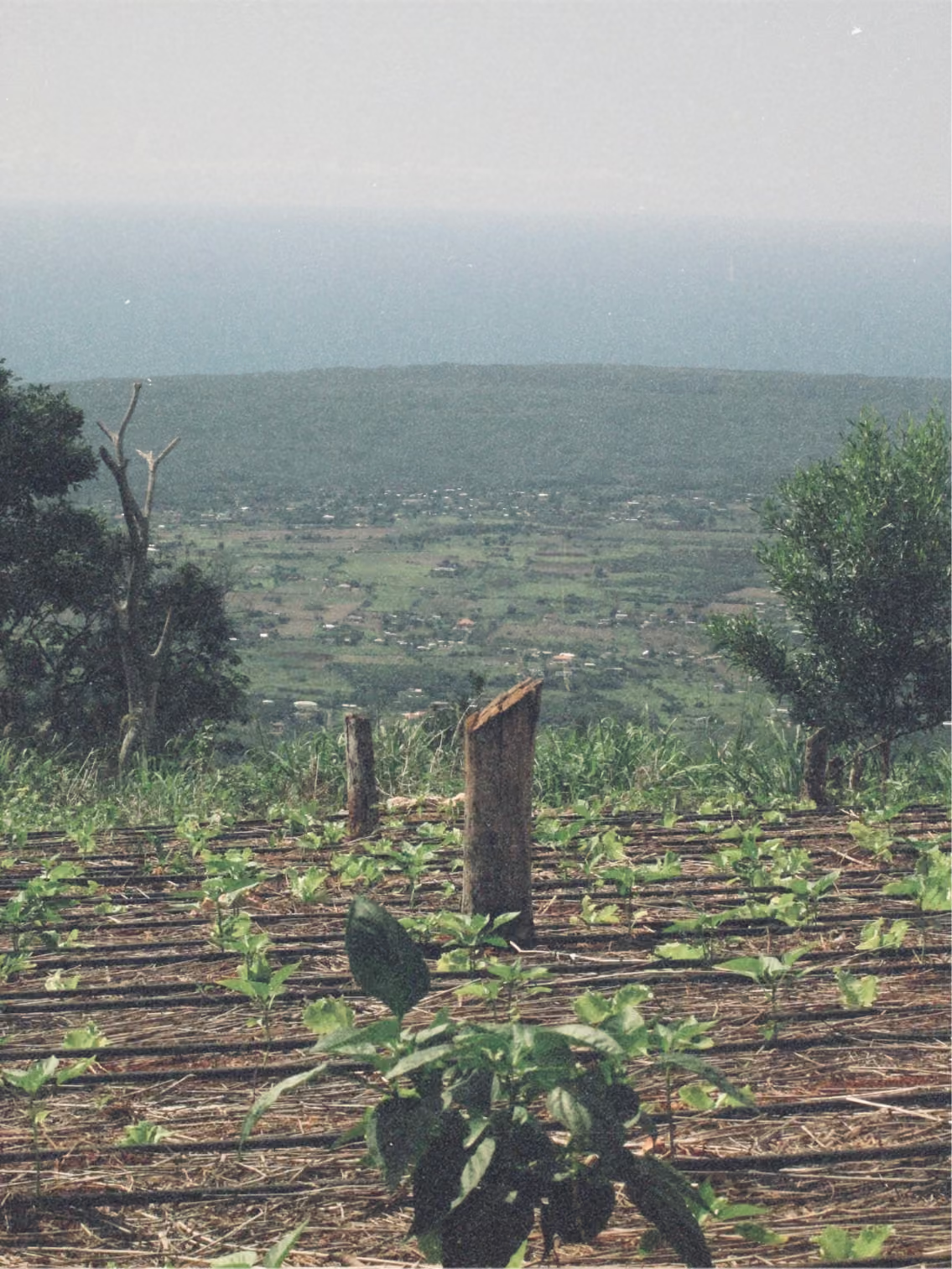
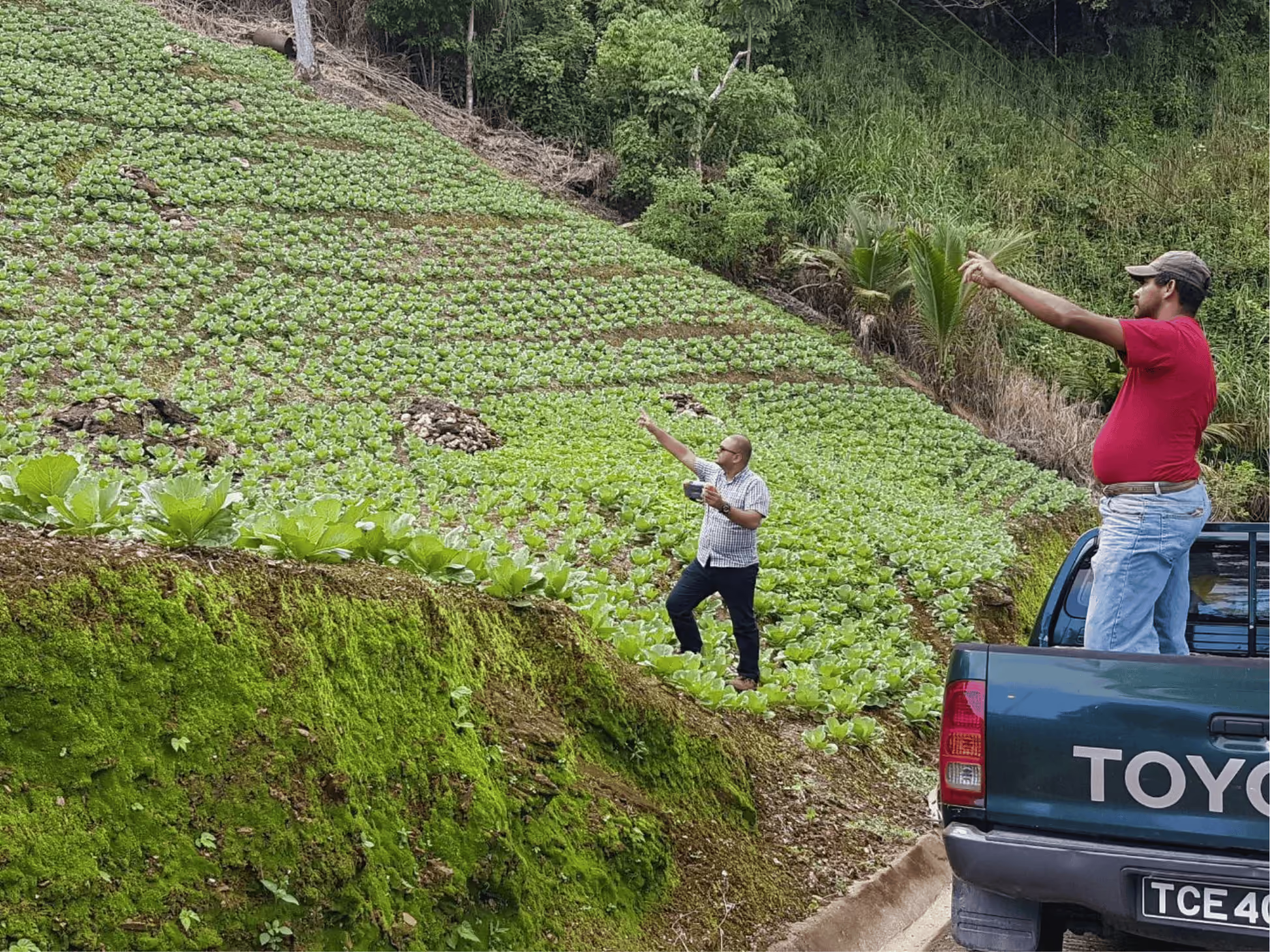
SL: Jamaica, from a geographical standpoint, is different from other Caribbean countries, as is Guyana. Jamaica has very large areas, particularly in the central part of the island, that are very hilly. Formerly enslaved people settled on some of these lands because plantations had less incentive to claim steep slopes — sugarcane cultivation required flat land. These areas became places where formerly enslaved people could establish themselves.
Compare that to the rest of the Caribbean, where you have small island states or very, very flat land — Barbados is essentially flat, for example. Some islands in the Lesser Antilles, for example, Saint Lucia and Saint Vincent, have mountainous interiors, and the majority of the population is concentrated around the coast. Each country has slightly different dynamics regarding land settlement patterns.
In the region, there have been many studies done on idle lands. The most recent work I have seen is by Veronica Dujon[5] from St. Lucia and Michaeline Crichlow[6] from Jamaica. They spoke about family land that became idle, but also the reasons it remains unused. The explanations vary, but one common reason is that people have a hesitation to invest when their claim is uncertain. So, if, for example, 5 siblings with 10 cousins have the same claim to land, none may be willing to make a large investment if it can be challenged later. This is one reason you may see people planting short-term crops like banana trees, as opposed to crops that require very, very large investments.
You have mentioned that a diversity of land relationships exists in the Caribbean, including family land, customary land, Indigenous and Maroon land. What are the limitations of our existing land governance frameworks in managing or supporting those alternative relationships that exist in Caribbean communities?
SL: Almost every Caribbean government tries to “resolve” these different systems of land tenure; the only exception I know of is St. Lucia. They treat customary landholding and occupation as though they are an inconvenience and must be eliminated. In Trinidad & Tobago, since around 2000, the government has passed laws intended to eradicate all of those intermediary and customary tenure forms[7] . Governments have made commitments to nationwide titling and adjudication processes that would eliminate forms of tenure that do not conform to the formal system. In St. Lucia, during its land titling and registration process, the government decided that family land should be recognised. It also attempted to fit family land into a French 'trust-for-sale' system, under which occupants or claimants are registered as trustees of the land. So, it's closer to what exists on the ground, but it's still not the same. A customary system is still being forced into a colonial legal framework.
Belize is another example of the state failing to take sufficient action. The matter went to their highest court; the Caribbean Court of Justice, which recognised Maya customary land tenure and required measures to identify and protect the resulting rights. Yet, more than a decade later, implementation remained incomplete. The government administration has changed, and the state has made insufficient progress in securing the rights of the indigenous peoples. So those communities have returned to court to seek implementation of that judgment. What we are seeing is not recognition that landownership and occupation exist along a continuum, or spectrum, of land rights. Instead, governments continue to see land tenure as a distinction between what is formal and what is problematic.
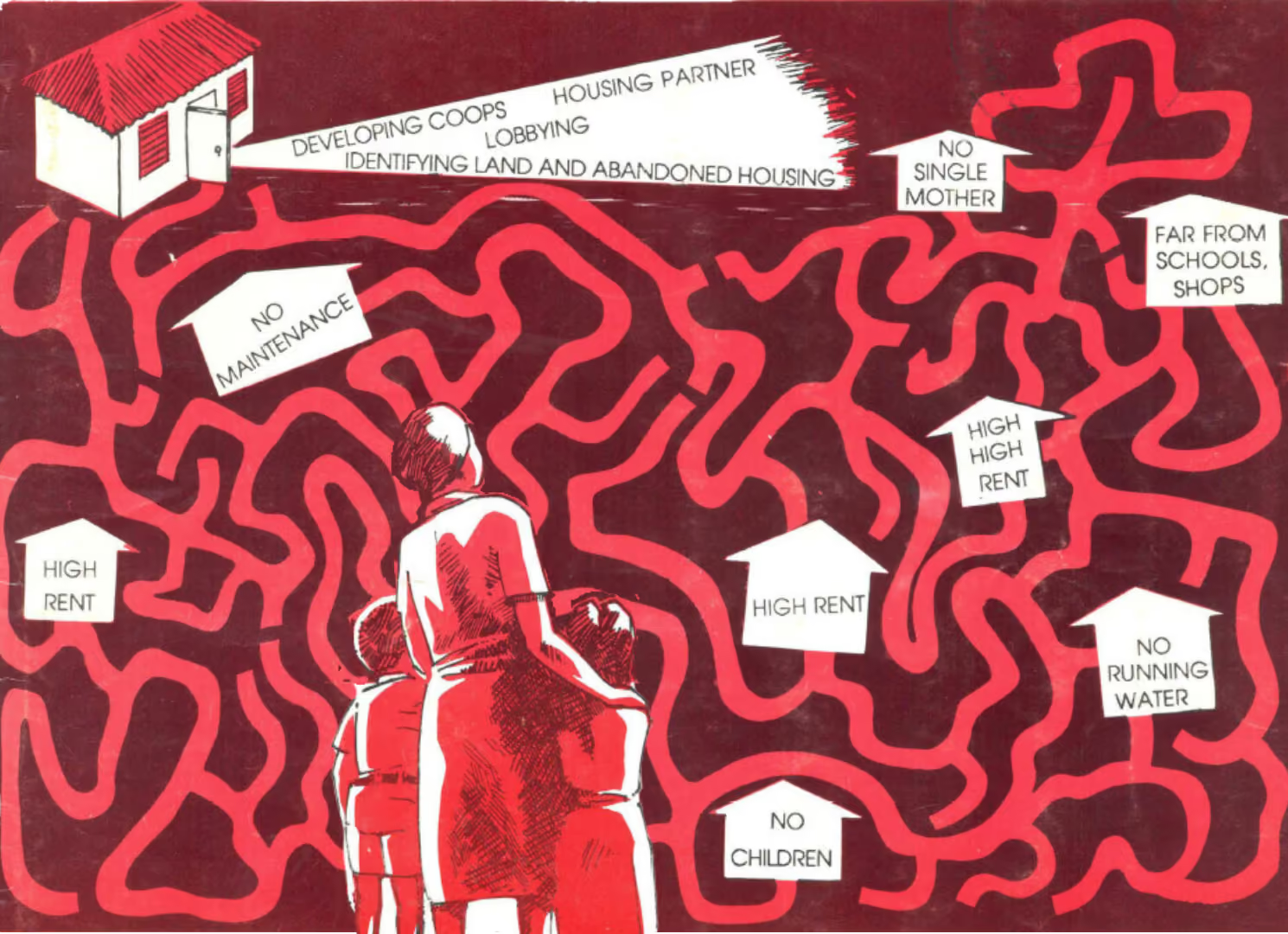
There is an economic development narrative in Jamaica that if everyone has a land title, many economic problems will be solved. The idea is that once people hold a title to their land, they can use it to access credit, start businesses, send their children to school, and unlock other opportunities. What is your take on this?
SL: The World Bank was promoting that idea years ago. I think we can acknowledge that two things can be true concurrently. While I am not a proponent of Hernando de Soto's position[8], there is some truth to the argument that granting people title to land does have an impact on their economic development. For poorer populations, for example, having a title may encourage greater investment in their property. It also gives them access to support tools. Take Habitat for Humanity, for example, if they have to build a house for someone, the first thing that they require is the land title in that person's name.
I disagree with the argument that titling inevitably results in credit access. So, I think that fundamental part of that argument is wrong because, sure, collateralised lending requires a land title. But lending is not based entirely on collateral. It's also based on one’s ability to pay back a loan. We cannot say with certainty that giving poorer communities a title to their land would automatically give them access to credit, especially if they lack secure employment, sufficient equity, or a good debt-to-equity ratio.
What is your analysis of the relationship between land tenure and disaster risk?
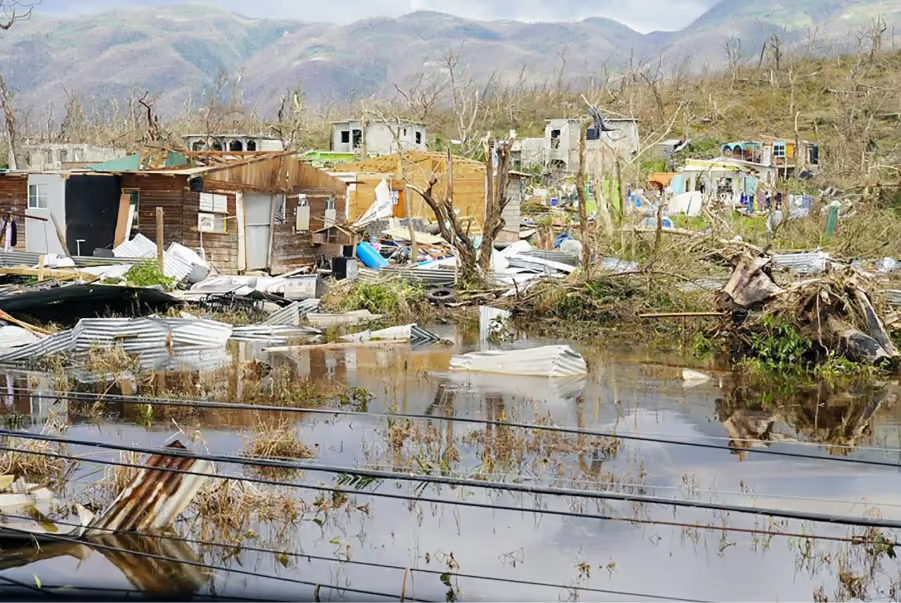
SL: The more secure people feel on their land, the more likely they are to build permanent structures. In informal settlements, people typically build more temporary structures, using materials such as timber frames and galvanised sheets nailed together. They are less inclined or able to invest in sturdier structures. This can create a vicious cycle in which people who are already vulnerable become even more vulnerable. With greater tenure security, people may be more willing to invest in permanent structures that can better withstand storms, flooding, and other disasters. That is one aspect of the relationship before a disaster occurs.
The second aspect concerns land tenure after a disaster. In the case of a disaster that completely wipes out a neighbourhood, we need to establish who owned or occupied each parcel of land. The land registry may be the only formal record available, but it may not account for informal settlements or customary forms of land tenure. If the authorities had to re-establish ownership from the land registry alone, the result could be significantly inaccurate and become a disaster in itself.
You described people investing in more permanent structures as they feel more secure. Can people’s perceived security of tenure improve even when they don’t have formal ownership of the land?
SL: We do have actual evidence of this - intermediary instruments. This is when the state will perform a recognition of people's ownership, but it's not a title. There's an example in Trinidad & Tobago called 'Certificates of Comfort'. This is where they give squatters an acknowledgement [which enables them] to apply for regularization. It's meant as an initial step in the process, but it has become a permanent solution because it provides people with the sense of security they need.
In a study I conducted, I found that people feel secure simply with the recognition of land occupation that the certificate provides, even without formal land title, even though, as far as the state is concerned, that is not a title. At a conference about 10 years ago, state lawyers presented on the effects of recognizing people's occupation of land without granting them formal title. Their position was that this recognition had no significant effect on the law. As a lawyer myself, I would agree. But from a practical standpoint, these certificates are relied upon as a means of providing tenure security rather than as a step towards obtaining formal title.
There was a man who used to do yard work for my family, and he was living in a squatter settlement. He asked me to help him to get regularization of the land. I knew the settlement he was in was one earmarked for regularization, so I asked him if he received any documents from the state. He said he had a document proving that this land was his; I asked him to bring the document to me, and we would take it from there. When he brought the letter to me, it had the state land settlement agency's letterhead and was addressed to the Electricity Commission. However, the letter stated that he did not have rights to this land.
What I realised from that scenario is that it didn’t matter what that letter said, the fact that a government document identified a relationship between him and the land, even though it was an adverse relationship, was sufficient for him to feel that this was his land. This shows how impactful intermediary instruments are. Sure, they may have no legal validity, but they create an adequate level of perceived tenure security.
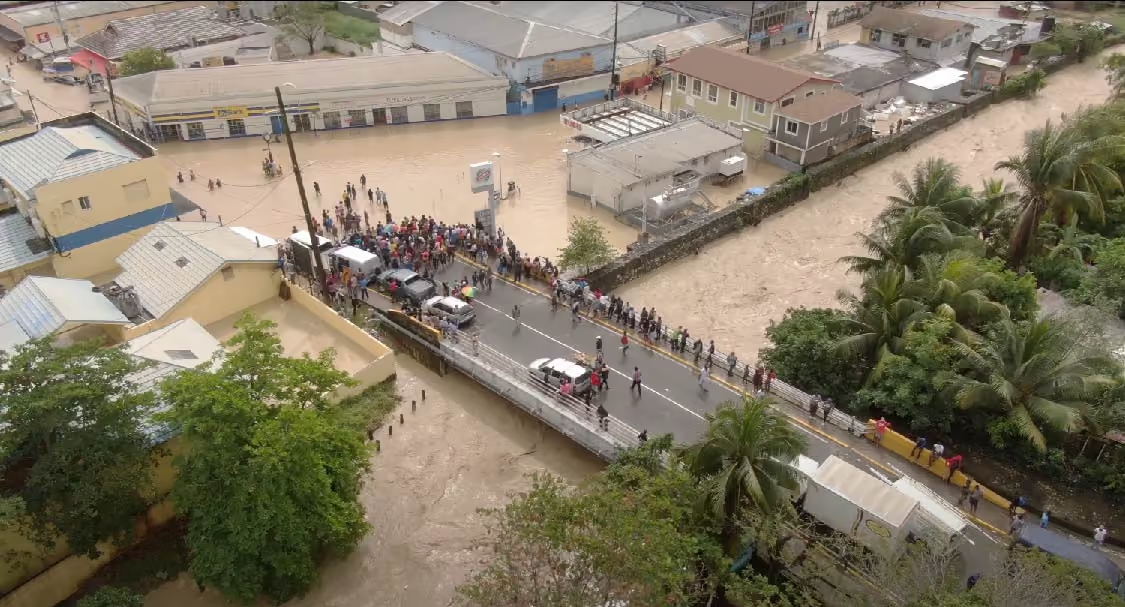
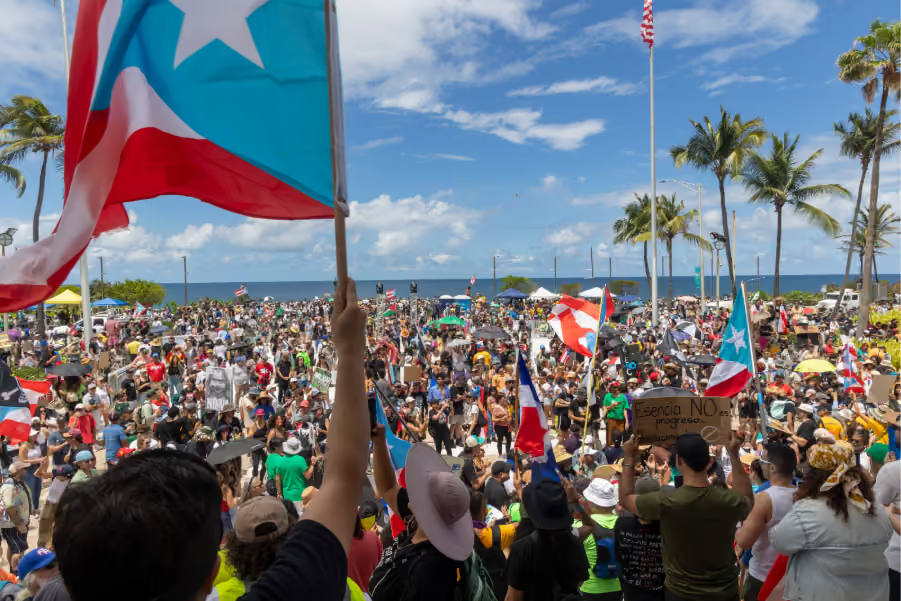
We have seen disaster capitalism setting the stage for massive land grabs following Hurricane Maria in Puerto Rico, Hurricane Irma in Barbuda, and now Hurricane Melissa in Jamaica. Right after each hurricane, people have taken to social media to urge residents not to sell or abandon their land, and to return if they have been displaced. These warnings come as land grabbers quickly develop tourism plans for the affected areas. What is the role of land tenure, or land tenure alternatives, in a Caribbean context where we are prone to these sorts of land grabs?
SL: Land grabbing is easier when there is no reliable record of who has rights to the land. We should not treat formal titling as the ultimate goal or the only solution. Simply documenting existing land occupation could be useful in helping to prevent land grabbing. The recording process can include mapping of coastal cities and coastal communities, and conducting an enumeration to record who occupies the land. I'm not saying it's cheap; it's not. But it's cheap enough to be affordable. But this [documentation approach] is less relevant in market ejection, where people are bought out of their lands.
What are the risks of failing to preserve these diverse social tenure systems and allowing these relationships to be deliberately erased?
SL: We have two terrible outcomes that could arise. One outcome that could especially impact our vulnerable Caribbean populations is that people in poorer communities could lose their land. Poor people would become even poorer. Another outcome is the case of land grabbing, as you mentioned. Coastal communities could be subject to gentrification. For example, the majority of countries in the Lesser Antilles have beautiful, beachfront coastal communities. These are easy-to-target areas for tourism exploitation by large hotel chains. This simply means that Caribbean land will not be owned by Caribbean people.
In the Caribbean, especially small island developing states, land is already scarce. Now throw in sea-level rise and climate risk, and there is an increase in that level of scarcity. That should be alarming. I don't think people often recognise how vital land is to everything. It’s important to every element of our economy, every element of our being; everything exists in a physical space. It's more urgent than it has ever been.