.png)


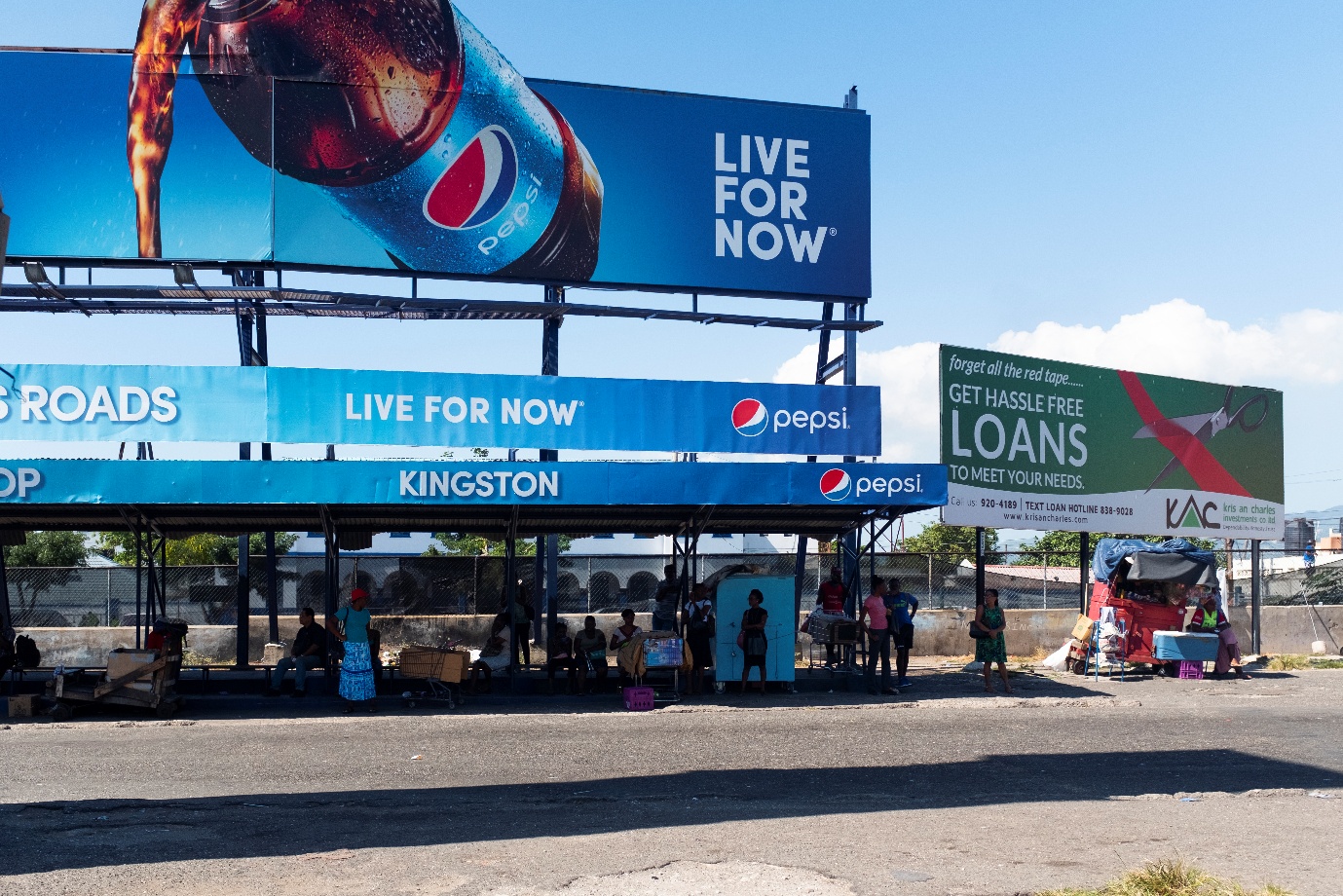
Post-colonial Kingston is a city shaped by heat, history, and adaptation, where zinc, a ubiquitous building material, reflects both the resilience of its people and the pressures of urban life.
As Kei Miller writes in This Zinc Roof:
Miller’s words capture zinc’s dual conditionality: reflective and radiant, sheltering and exposing. Zinc is frequently treated as a material that signals poverty or informality, but these interpretations flatten the longer histories that have shaped its role in Jamaica’s built environment over decades. Its presence emerges from structural conditions formed in the afterlives of colonial rule. Seen from this perspective, zinc is not simply a signifier of the past but a material that speaks to both past and present.
Its widespread use across urban settlements and rural districts reflects these ongoing historical conditions, where access to land, durable housing, and formal infrastructure remain prominent issues. In this way, zinc carries the imprint of history while remaining central to contemporary survival, as we are seeing right now in the aftermath of Hurricane Melissa. By working photographically, this essay treats zinc as a site of material, cultural, and political meaning. The images invite a visual conversation about how the material is shaped by, and continues to shape, the lived realities of Jamaica’s postcolonial conditions.
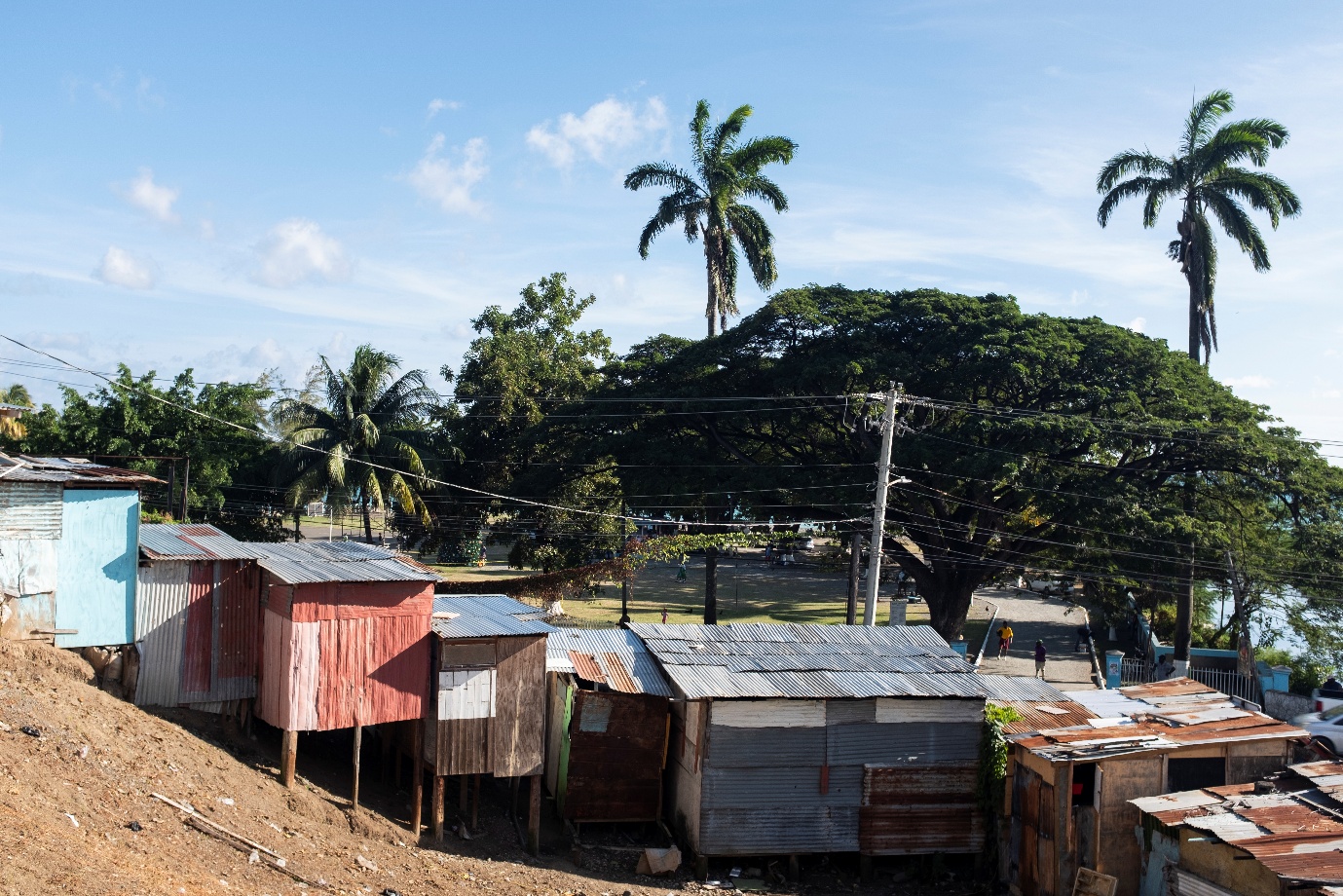
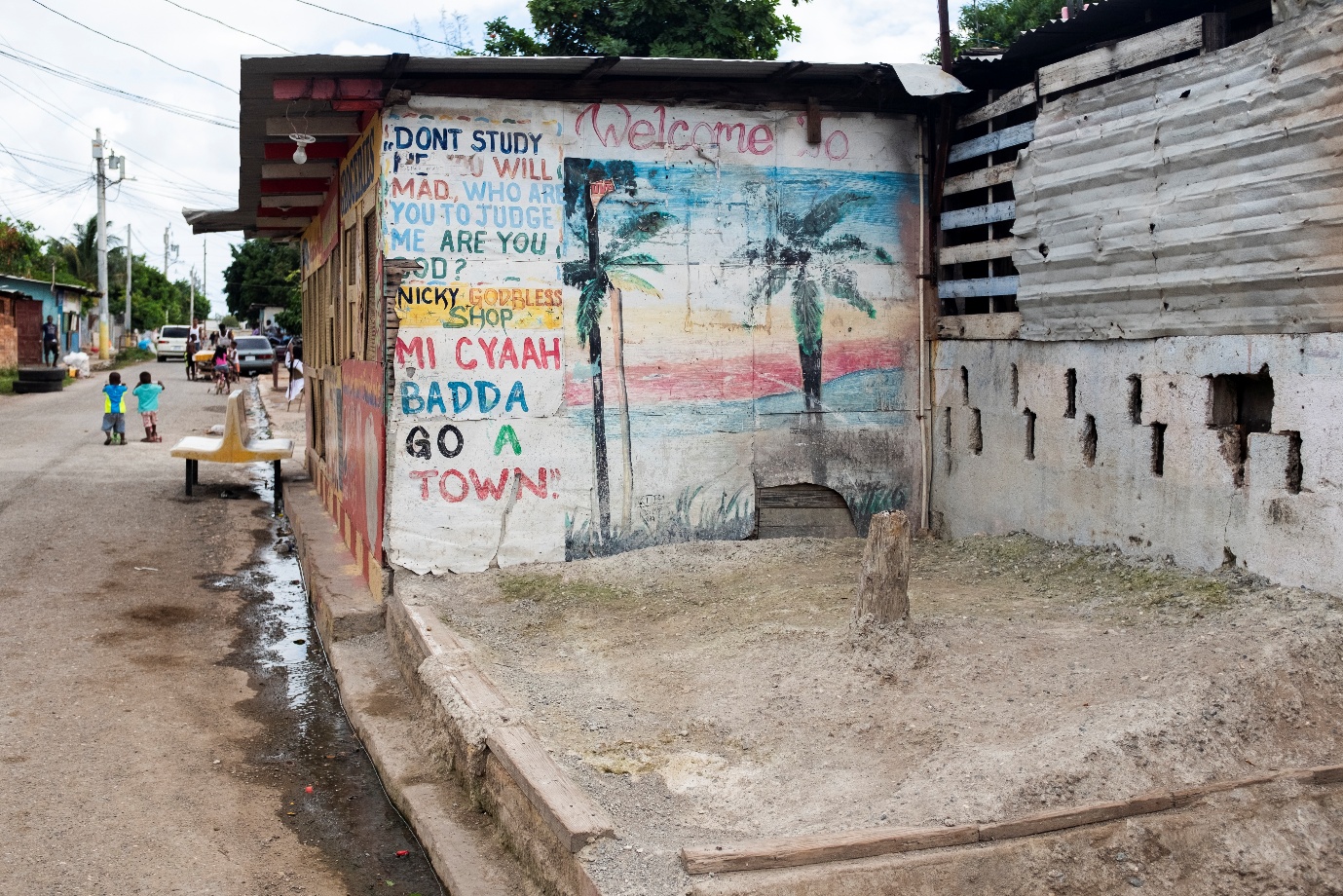
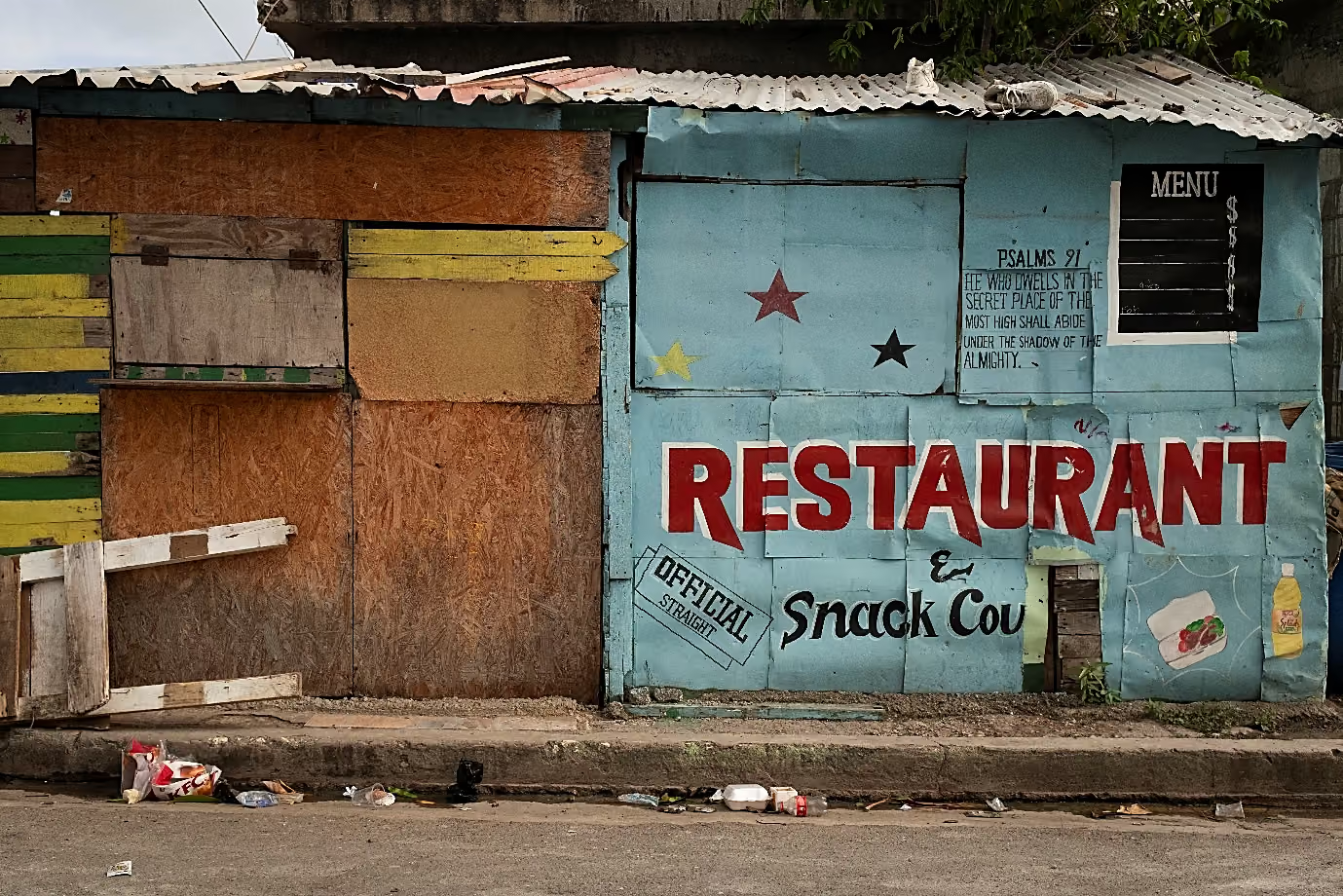
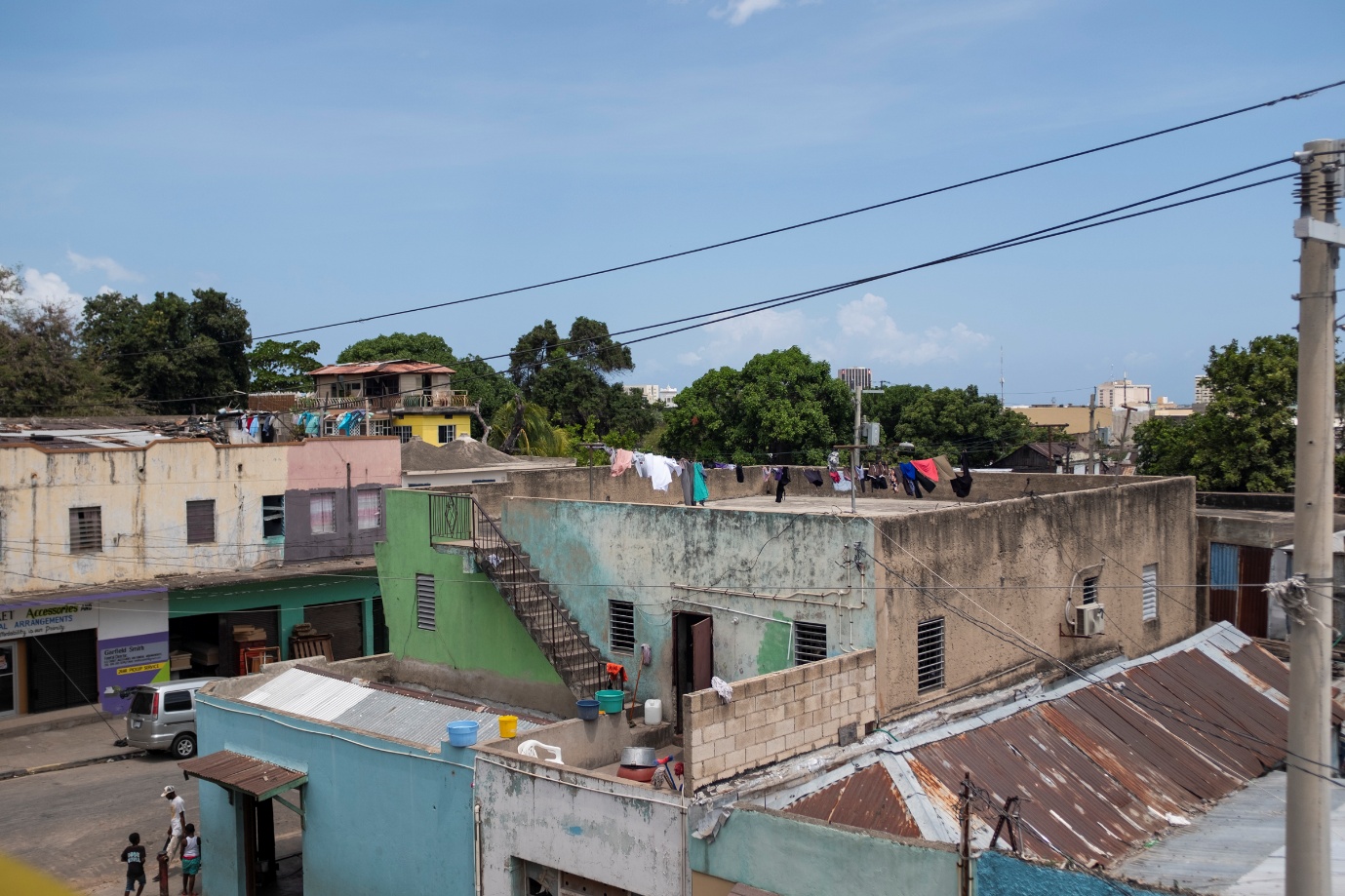
Zinc mediates daily life in multiple ways. Its surfaces trap and radiate heat, producing micro climates that shape domestic life and daily experience. It shelters inhabitants from rain and sun while also amplifying the heat that defines Kingston’s hot afternoons. In commercial and communal settings, zinc structures partition space, create enclosures, and support the small-scale economies that sustain many neighbourhoods across the island. Seen this way, zinc becomes a spatial and environmental agent- shaping circulation, marking boundaries, and hosting cultural expression across the island- while also registering the layered histories that inform Jamaica’s built and rural environment.
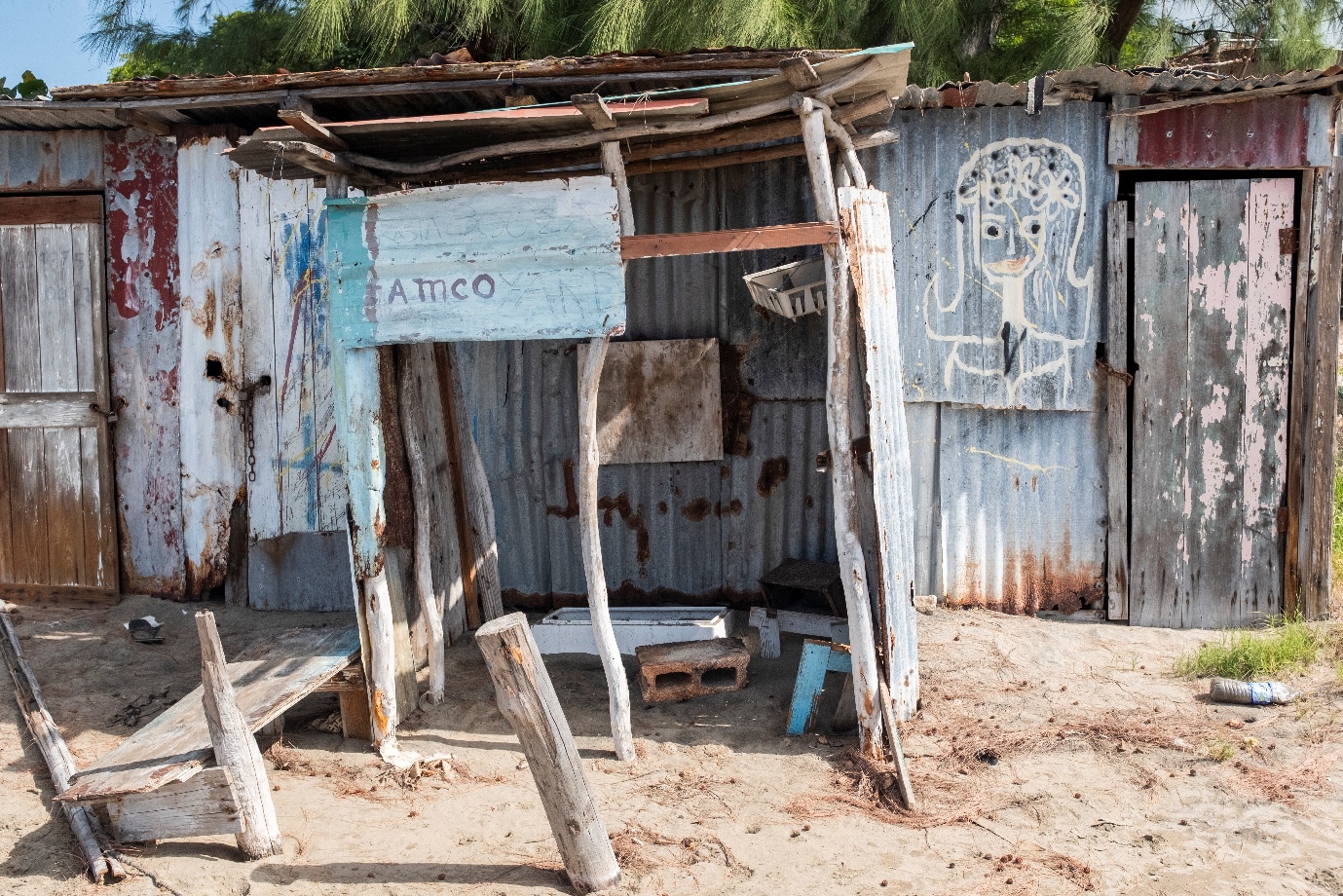
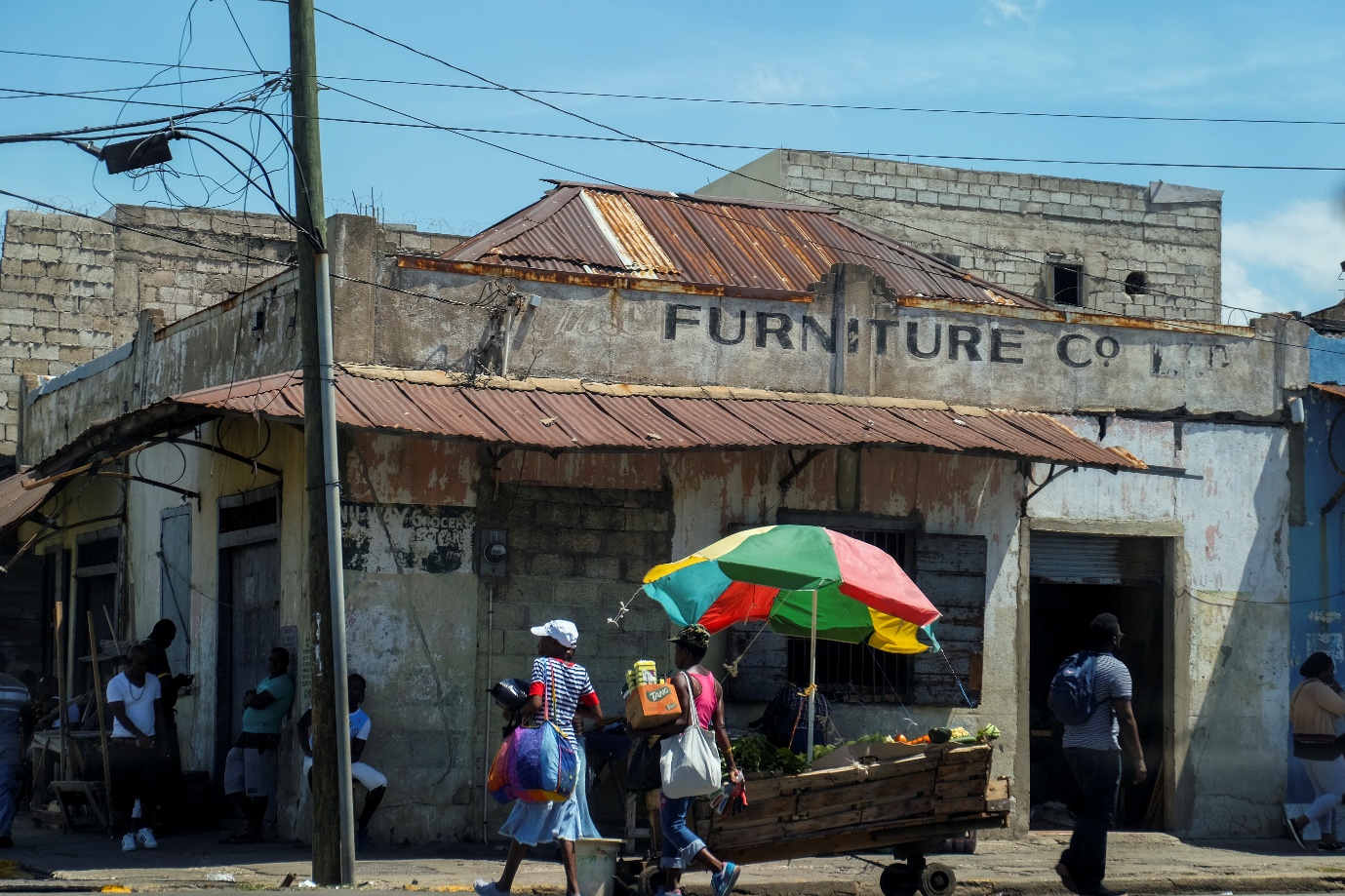
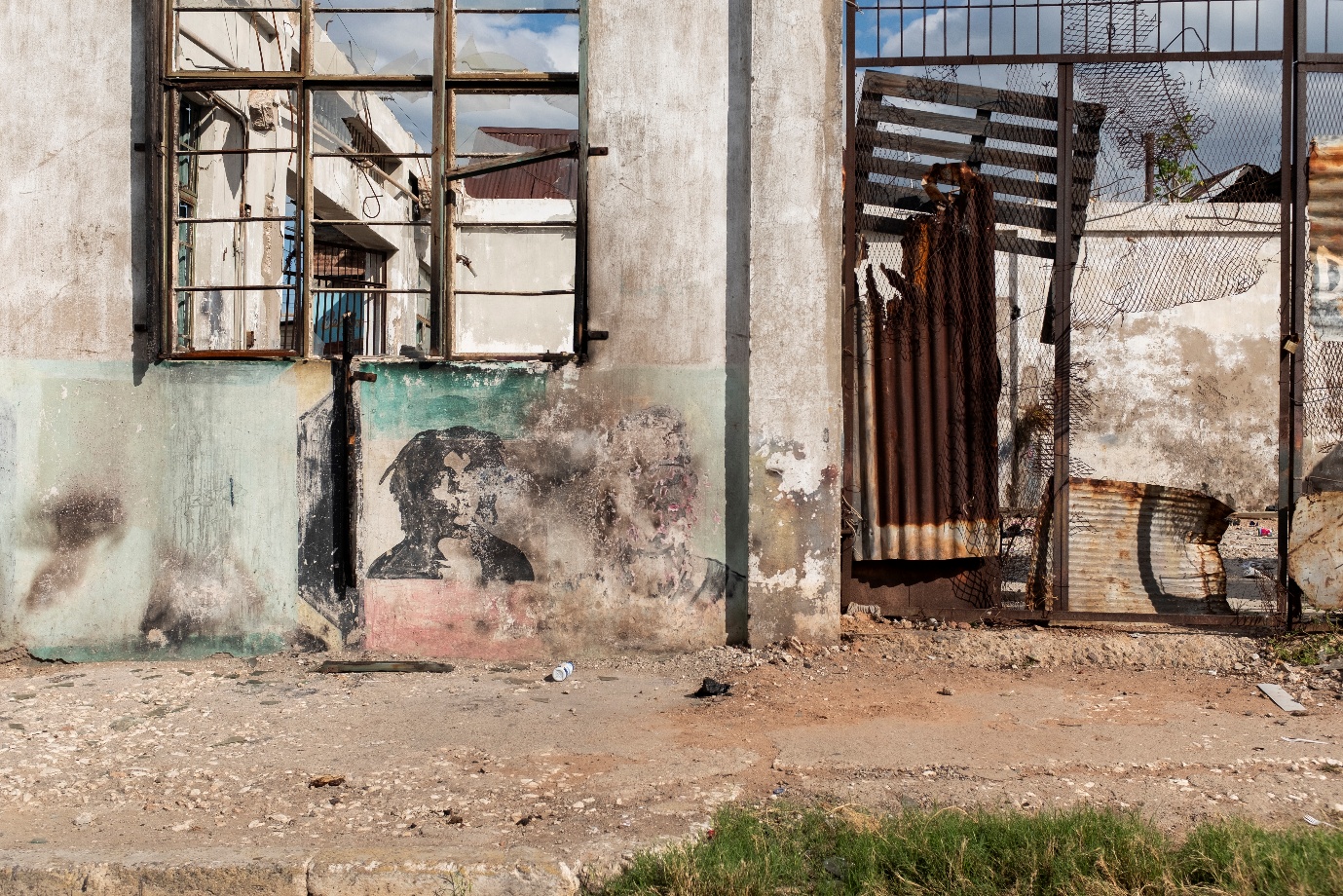
Close photographic observation reveals zinc’s vulnerability. The seams, rust patterns, and repeated repairs surface a quiet archive of storms and everyday weathering. A sheet lifted by wind, a panel reattached with mismatched nails, or a wall patched after heavy rain speaks to the precariousness of dwellings built under conditions of economic constraint.
This precarity seems not just simply a technical matter, but points to the broader issues that shape who is allowed durable shelter and who must rely on materials that are fragile.
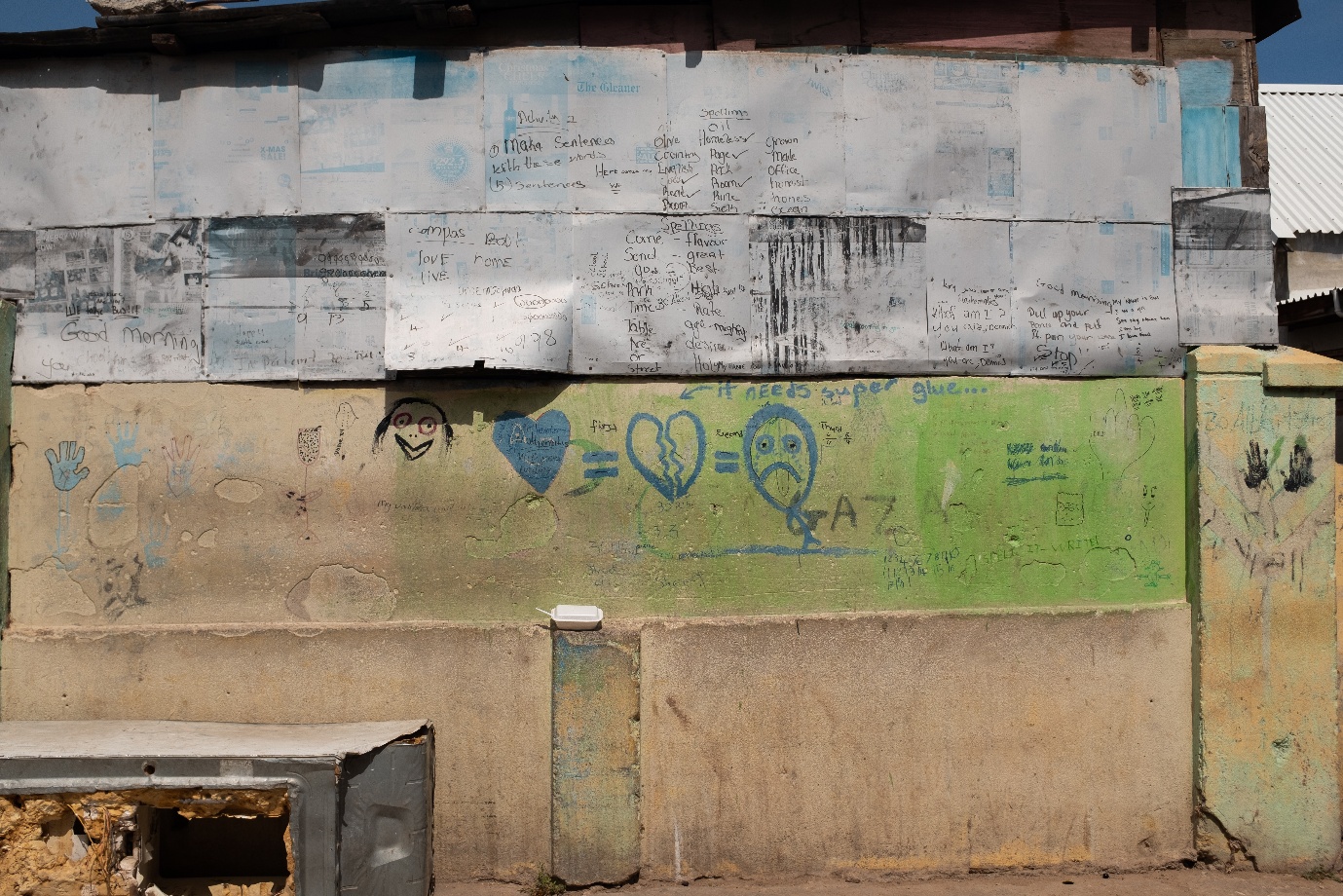
The photograph below reflects zinc’s dual character: practical and widely used, yet marked by weathering and repair that signal the material’s inherent fragility over time. These traces also mark communities of resilience, adaptation, and the informal practices through which people shape their built environments.
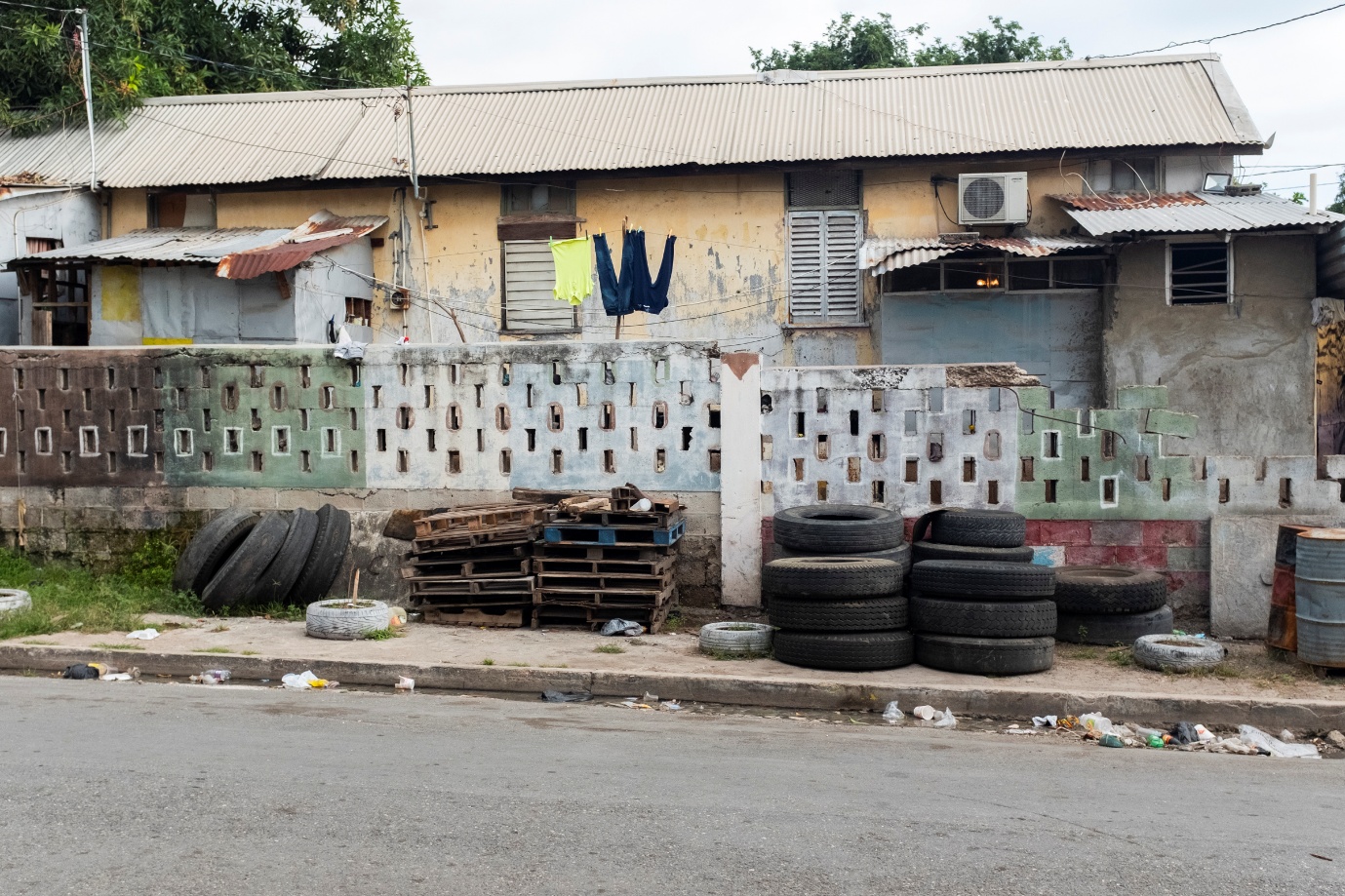
Communities' use of zinc has also been drawn into political narratives. Government programmes targeting ‘zinc fence removal’ often frame these structures as aesthetic or security problems, proposing their replacement as a form of community uplift, investing millions in the programme. Yet such interventions can cause tensions within communities that may feel that such initiatives prioritise aesthetic improvements rather than the material conditions that shape how people build or need to live and work in Jamaica. By treating zinc as something to be replaced rather than understanding why it remains essential, these policies appear to prioritise political will while leaving the underlying structural issues intact.
Yet in moments , such as the widespread destruction following Hurricane Melissa in western Jamaica, the importance of zinc becomes undeniable. Its availability and ease of use allowed residents to rebuild quickly, long before formal recovery efforts reached them. Zinc’s fragility and indispensability operate simultaneously.
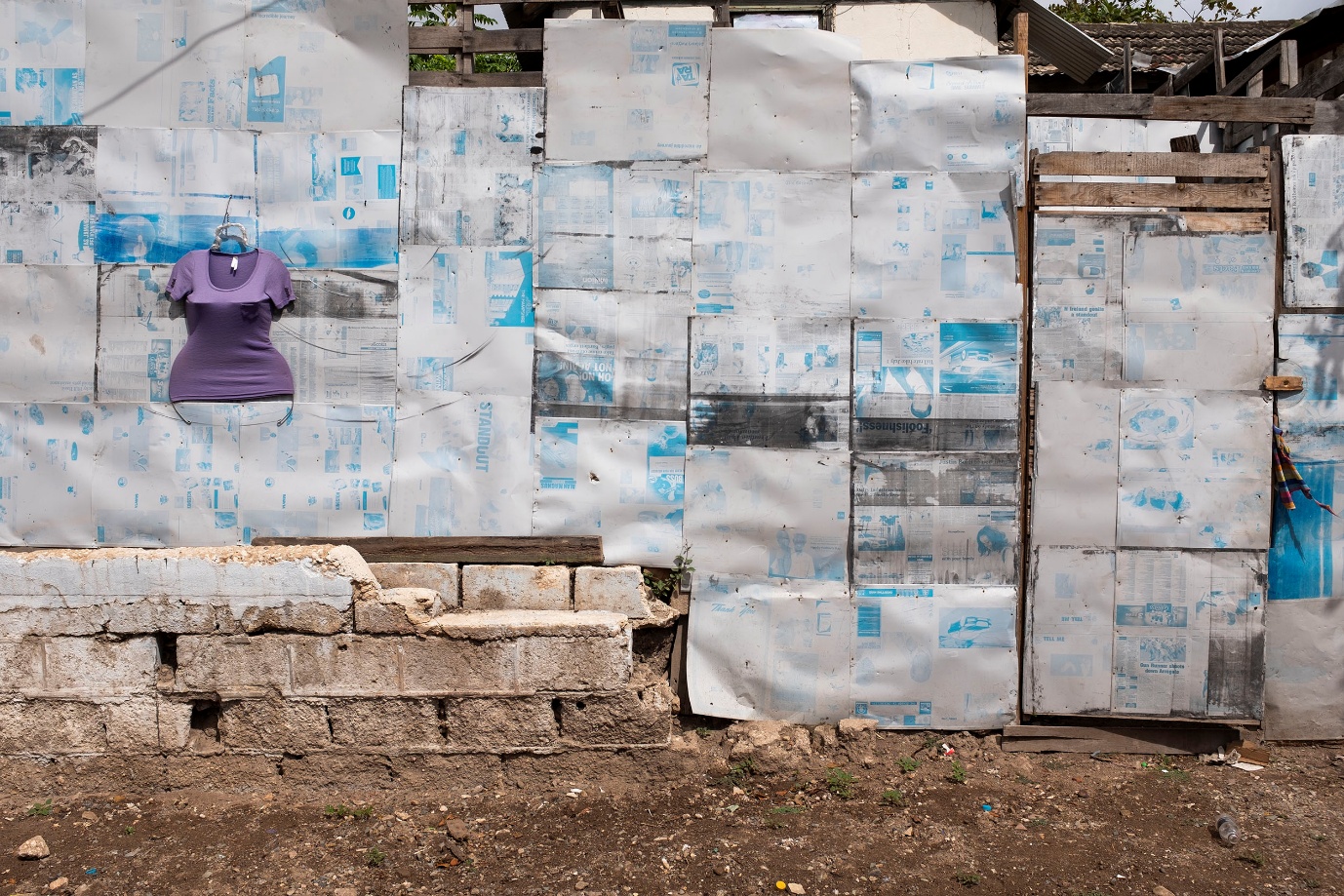
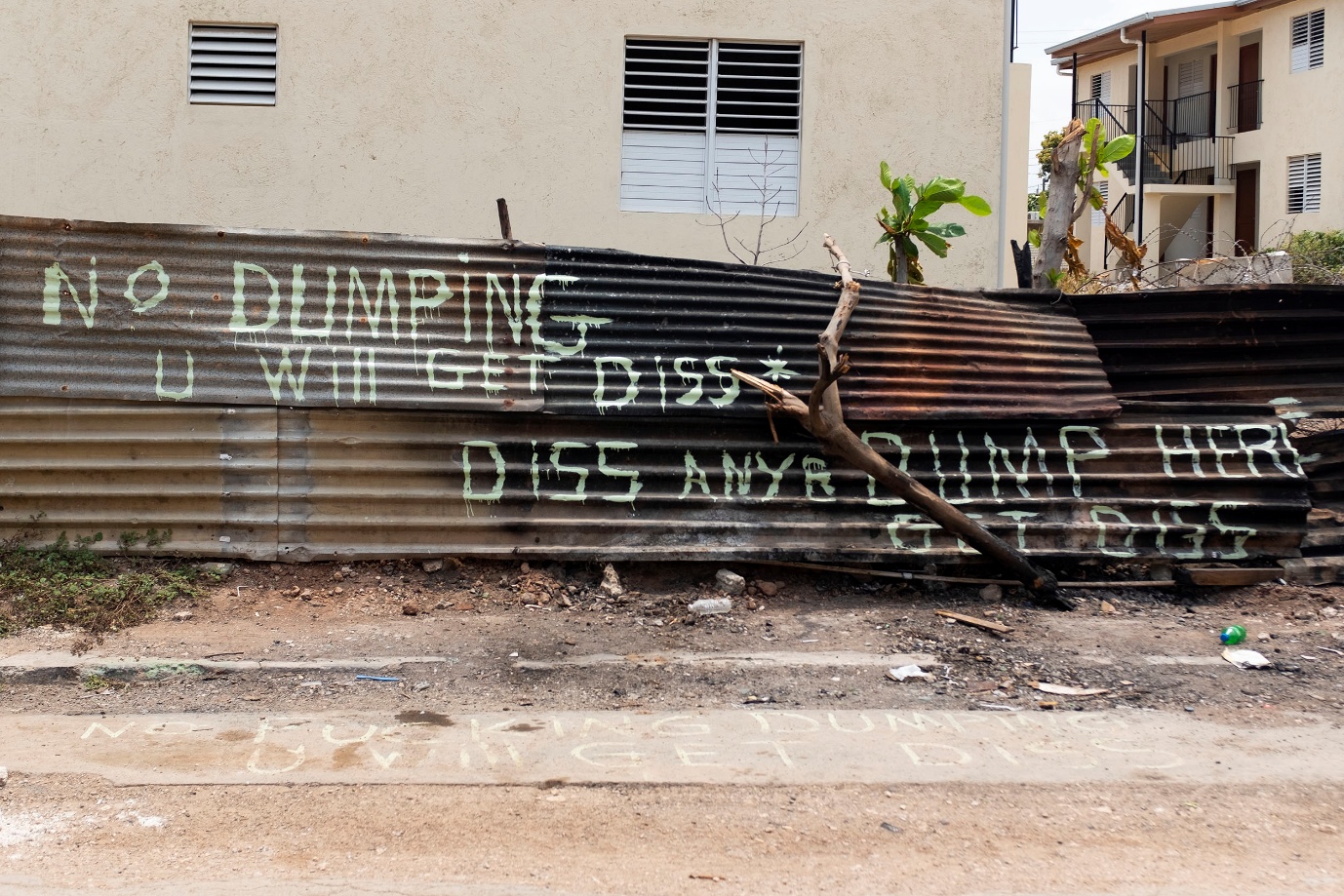
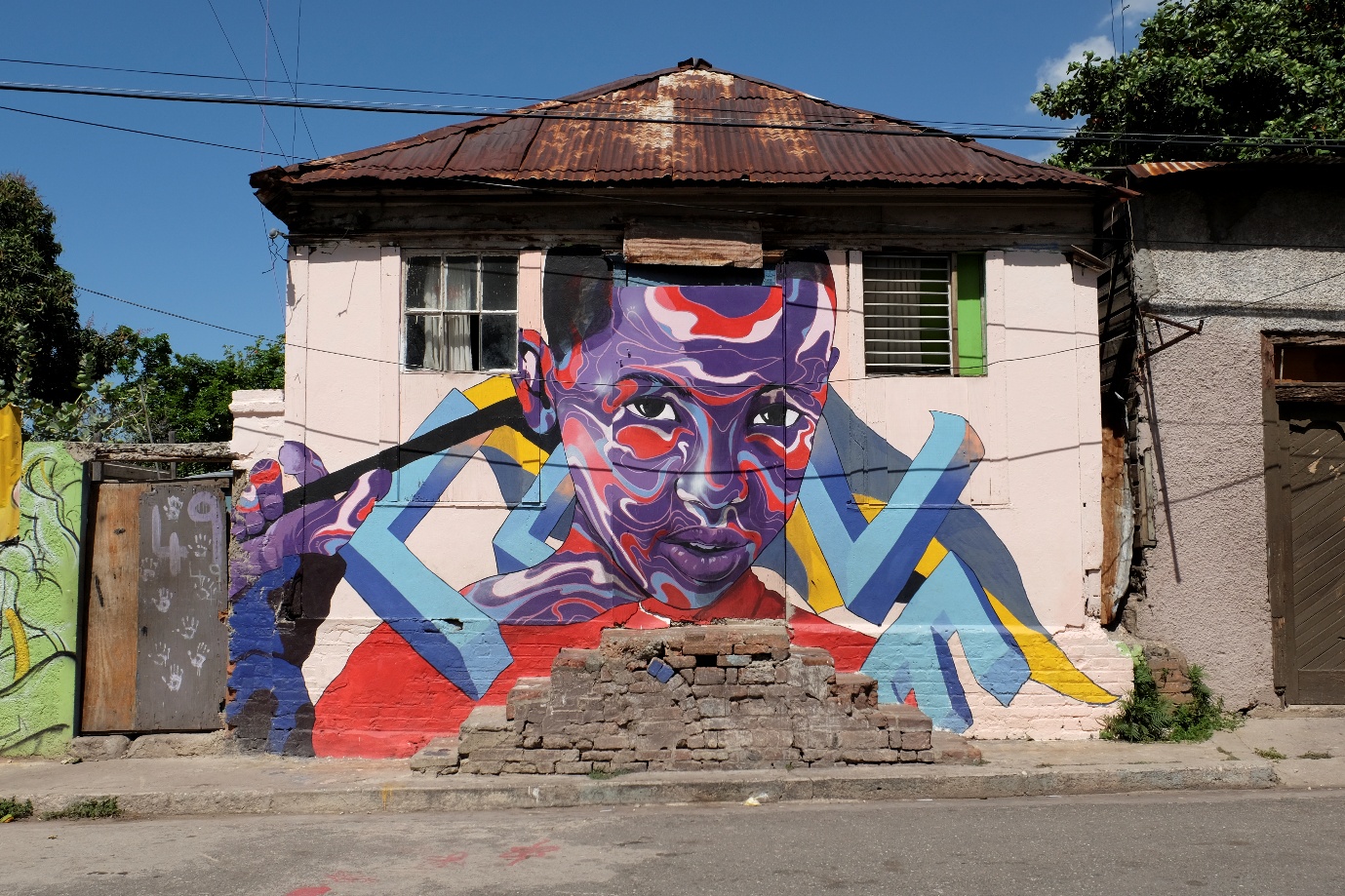
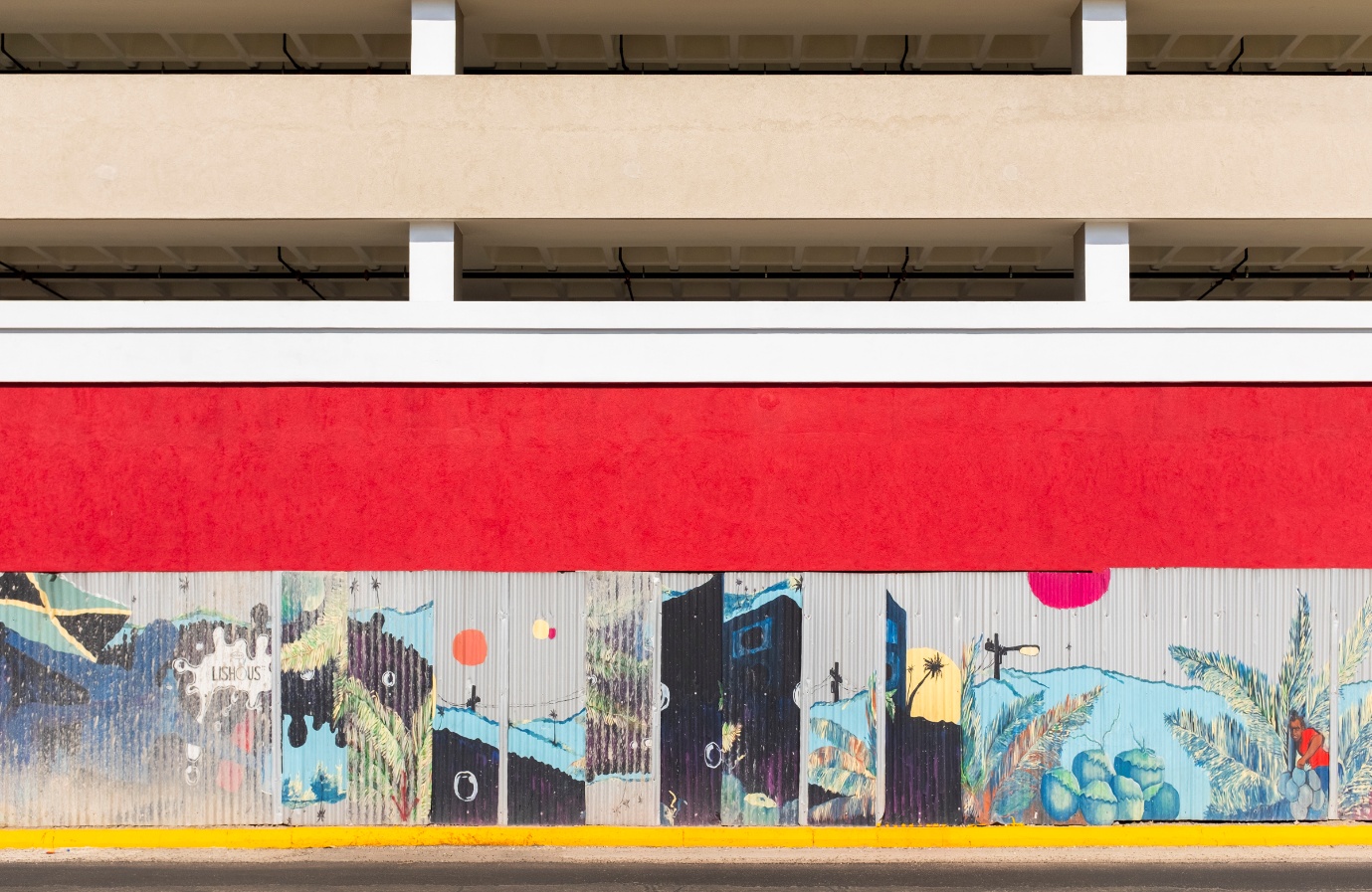
The material also bears cultural inscriptions: painted portraits of musicians or community leaders, fragments of signage, or the marks of earlier uses when a printing plate becomes a wall. Such surface gestures complicate any reading of zinc as merely functional. They suggest forms of authorship, belonging, and resistance that persist within material constraints. This attention to the politics and poetics of ordinary materials resonates with Dawn Scott’s A Cultural Object (1985) exhibited at The National Gallery of Jamaica, which used domestic structures to expose the social and spatial inequalities shaping Jamaican life. Photography extends this lineage, revealing zinc as a site where personal histories, political pressures, and environmental realities converge.

.png)