.png)


Temperatures across the Caribbean are warming, and they are affecting everyone, especially workers. The International Labour Organization (ILO) notes that both indoor and outdoor workers can face these risks when they are exposed to heat for longer periods and greater intensities. In terms of basic biology, a core body temperature of 37oC is essential for normal function (Flouris et al 2024). When excess heat is stored in a worker’s body, it will raise core temperatures,leading to elevated skin temperatures as well as increases in skin blood flow, heart rate, and sweat production. If body temperature rises above 38°C,physical and cognitive functions are impaired; if it rises above 40.6°C, the risk of organ damage, loss of consciousness, and, ultimately, death increases sharply (Smith et al.2014).
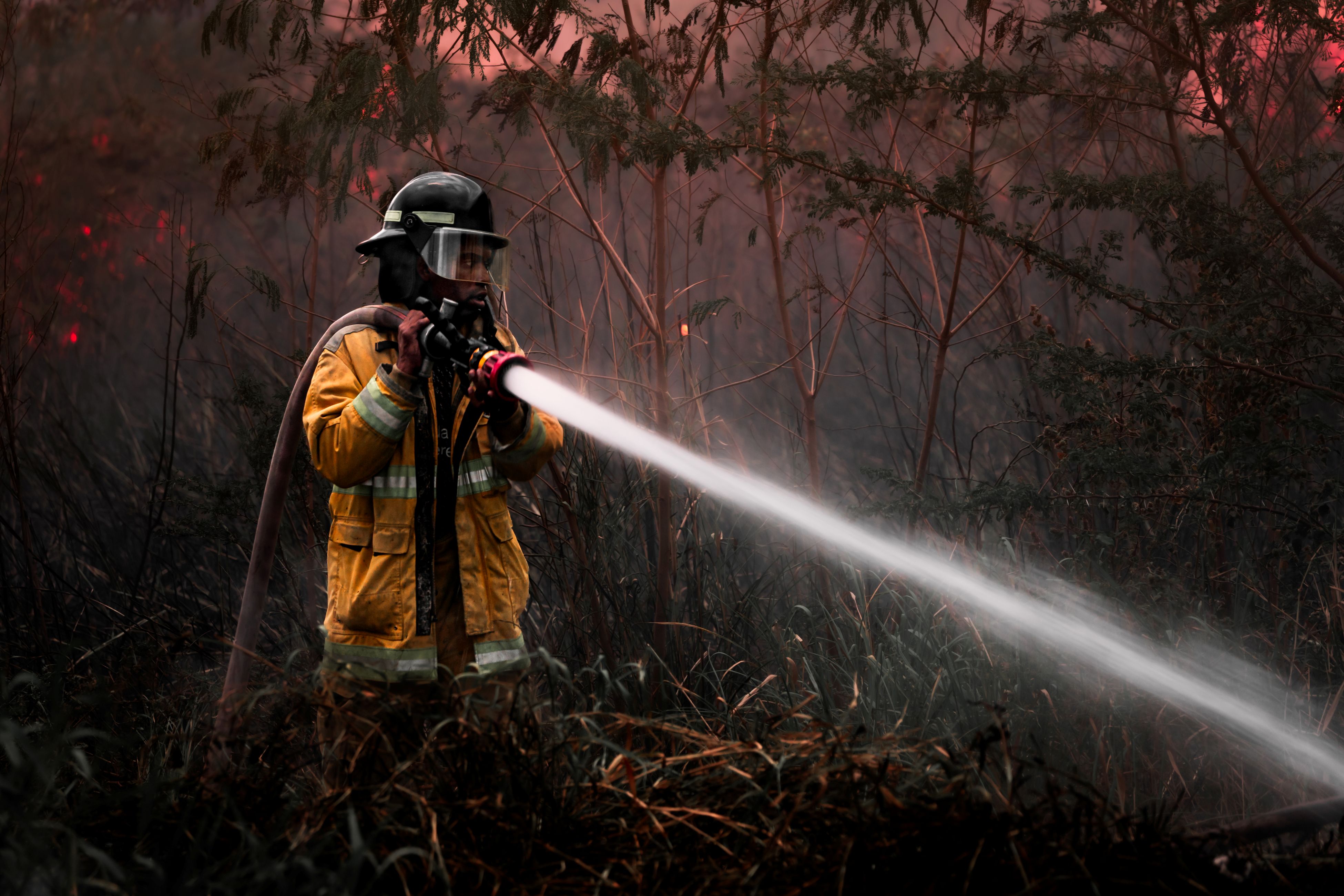
According to the 2024 Small Island Developing States report of the LANCET Countdown, exposure to heat is associated with substantial labour productivity losses globally. Workers are more than their productive value to the economy; outdoor workers engaged in physically strenuous tasks are risking their lives within our rapidly heating towns and cities. Themajority of Seeing Heat photos submitted featured Jamaicans labouring in theheat. Whether street vendors, construction workers, delivery drivers or farmers,these persons are on the frontlines of the island's rising temperatures.
See the compiled photos and narratives below:
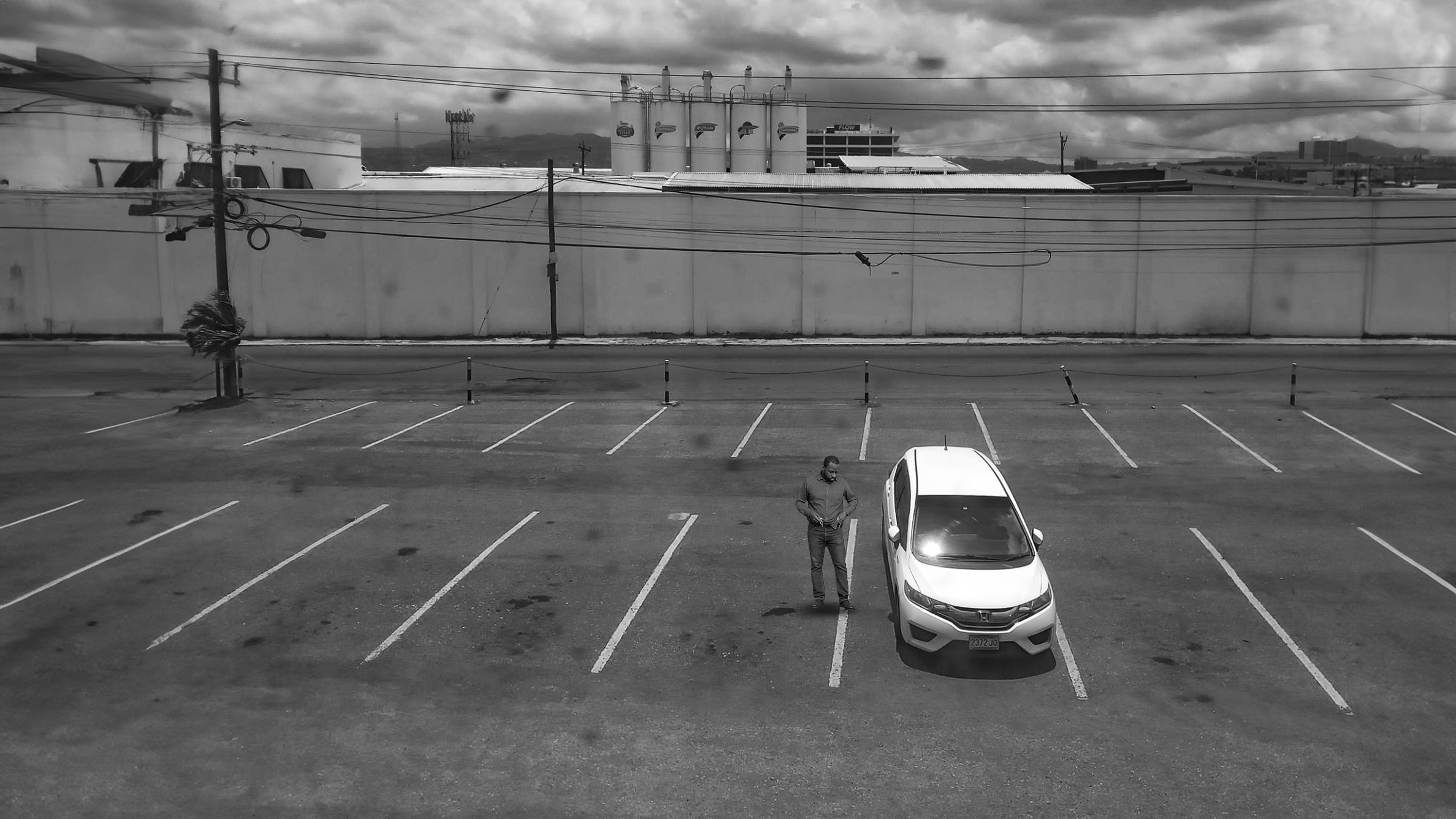
Sherard Little
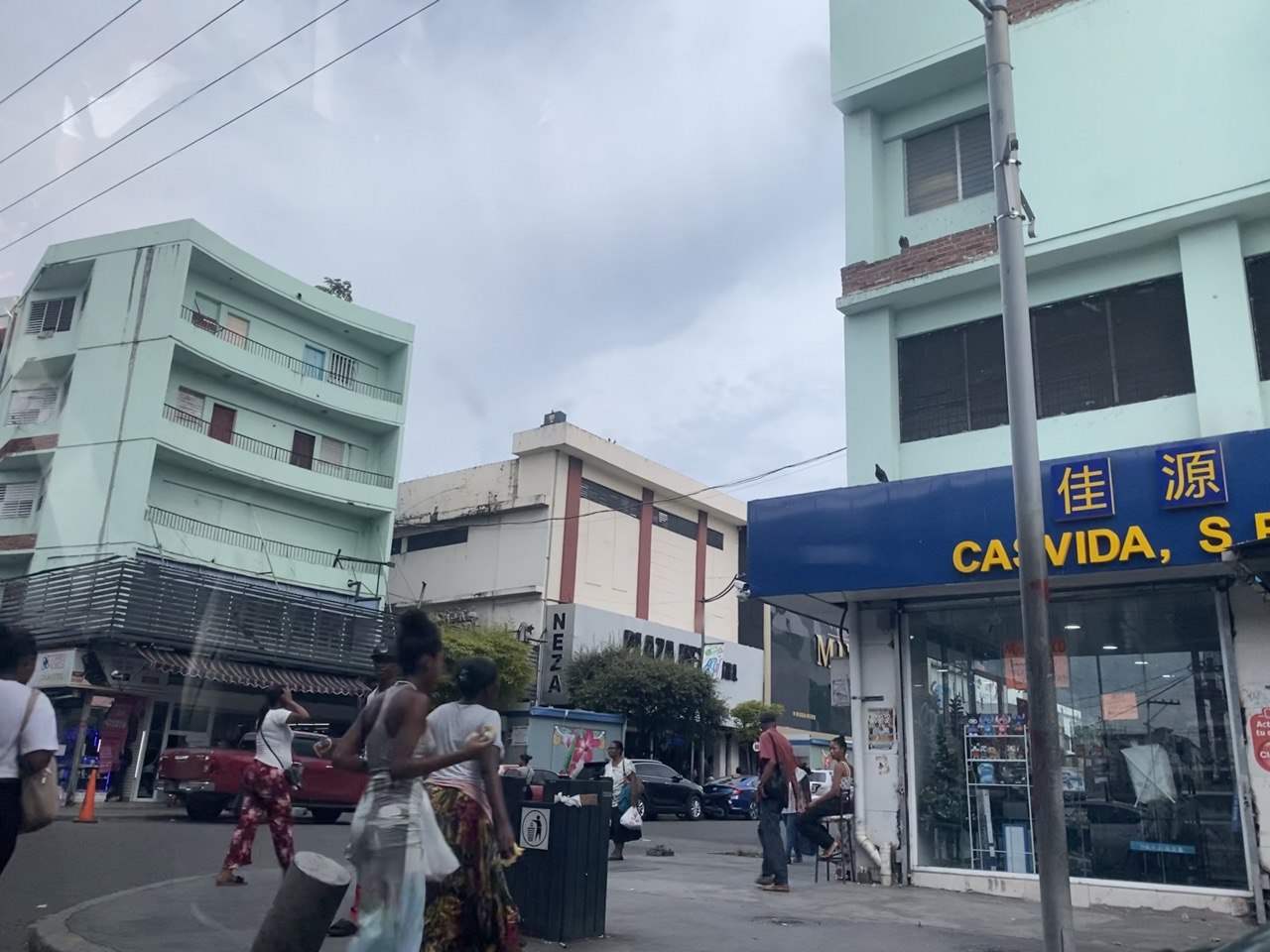
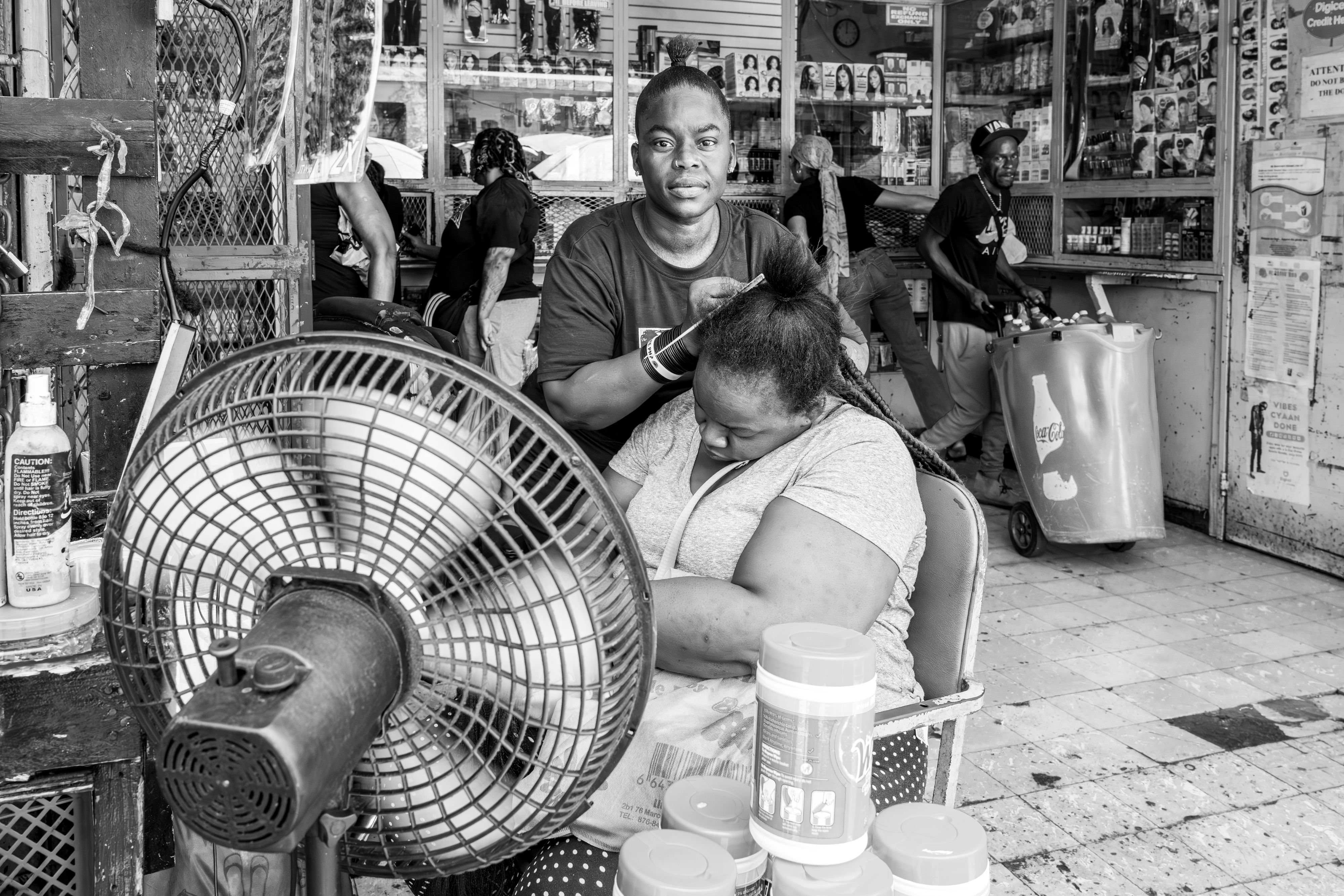
On Princess Street, in the heart of Kingston, we meet Sasha. Known for her warmpersonality and expert braiding skills, Sasha has created a vital space to makeher livelihood.
The scorching sun relentlessly beats down on the city, pushing temperatures beyond historical levels. As one of the first cities to experience climatedeparture, Kingston faces heat that feels like a constant, oppressive presence.Yet, life adapts. Sasha’s curb-side shop, modest but welcoming, is equippedwith a trusty fan that tirelessly combats the sweltering heat, its soothing humblending with the lively chatter of passersby. However, this relief comes at a cost. The fan's constant use strains her modest income, with rising electricitybills adding to the daily challenge of making ends meet.
As Marlene settles into Sasha's chair, she savours the cool breeze and their familiar conversations about life as a whole. Sasha's fingers skilfullytransform Marlene’s hair into intricate braids, embodying the patience anddexterity required to thrive in such a climate.
Outside, the street bustles with activity. Vendors promote their goods usingloudspeakers as shoppers navigate the narrow lanes. The atmosphere is vibrant despite the daunting heat. A man nearby maneuvers his drum, freshly stockedwith cold water and juices, offering refreshing relief to willing customers.
Sasha’s salon, though simple, epitomizes Kingston's resilience. Despite theheat's relentless grip and the financial burden of keeping her shop cool, people like Sasha continue to find ways to tackle climate challenges and make aliving. Her perseverance and adaptability highlight the spirit of a community that stands strong amidst rising temperatures.
Aleesha Brown
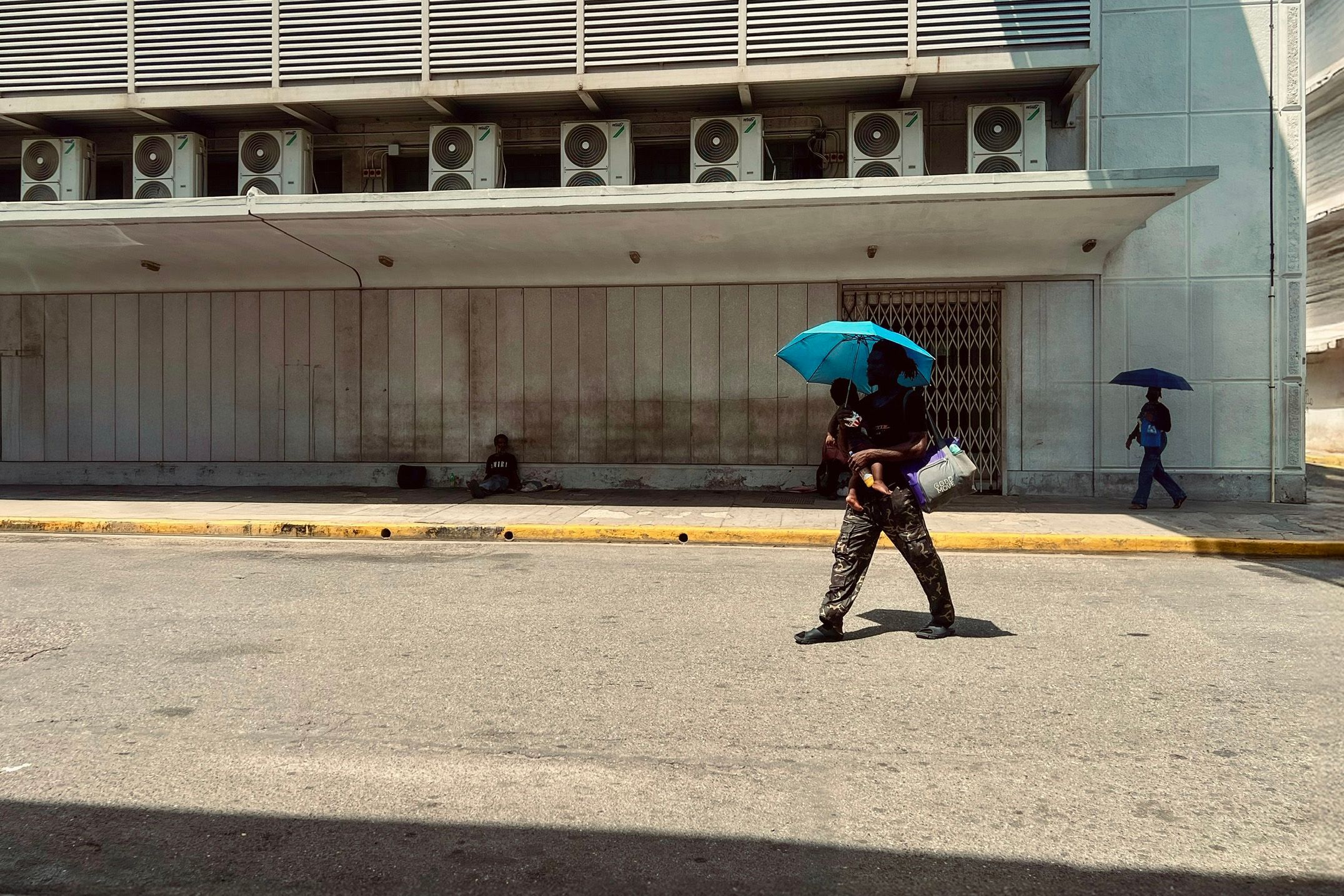
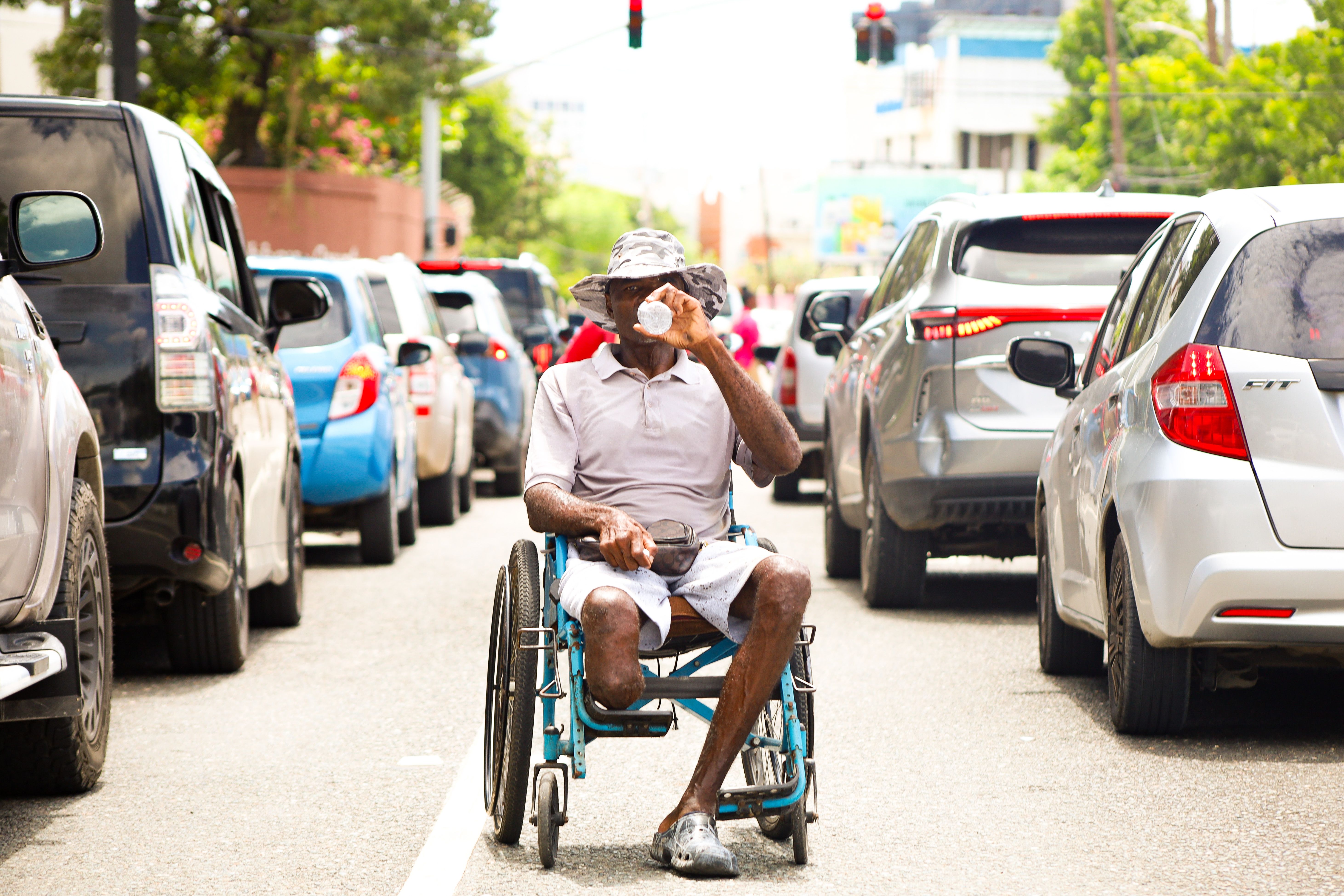
This photograph explores the growing threat of rising temperatures in Jamaican urban centres like Kingston, with a focus on how climate change intersects withsocial vulnerability and even urban mobility. As the gentleman, Randal, who is wheel chair-bound navigates a busy street under the harsh sun, this piecehighlights the lived realities of those most affected by extreme heat andinadequate infrastructure.
Caribbean cities on a whole are experiencing more frequent and intenseheatwaves, driven by global warming and exacerbated by the “urban heat islandeffect” which brings about climate departure. Concrete-heavy environments trapheat, making cities significantly hotter than surrounding rural areas. This intensifies energy demands, strains water resources, and increases the risk ofheat-related illnesses, especially for vulnerable populations such as the elderly, low-income communities, and persons with disabilities, like Randal.
The image serves as a visual metaphor for the challenges of accessibility andresilience in urban spaces. It underscores how climate change magnifiesexisting inequalities, leaving marginalized groups to bear the brunt ofenvironmental stress. The lack of shaded walkways, safe pedestrian crossings, and inclusive urban design compounds the risks faced by those with limitedmobility.
Dorani Watson
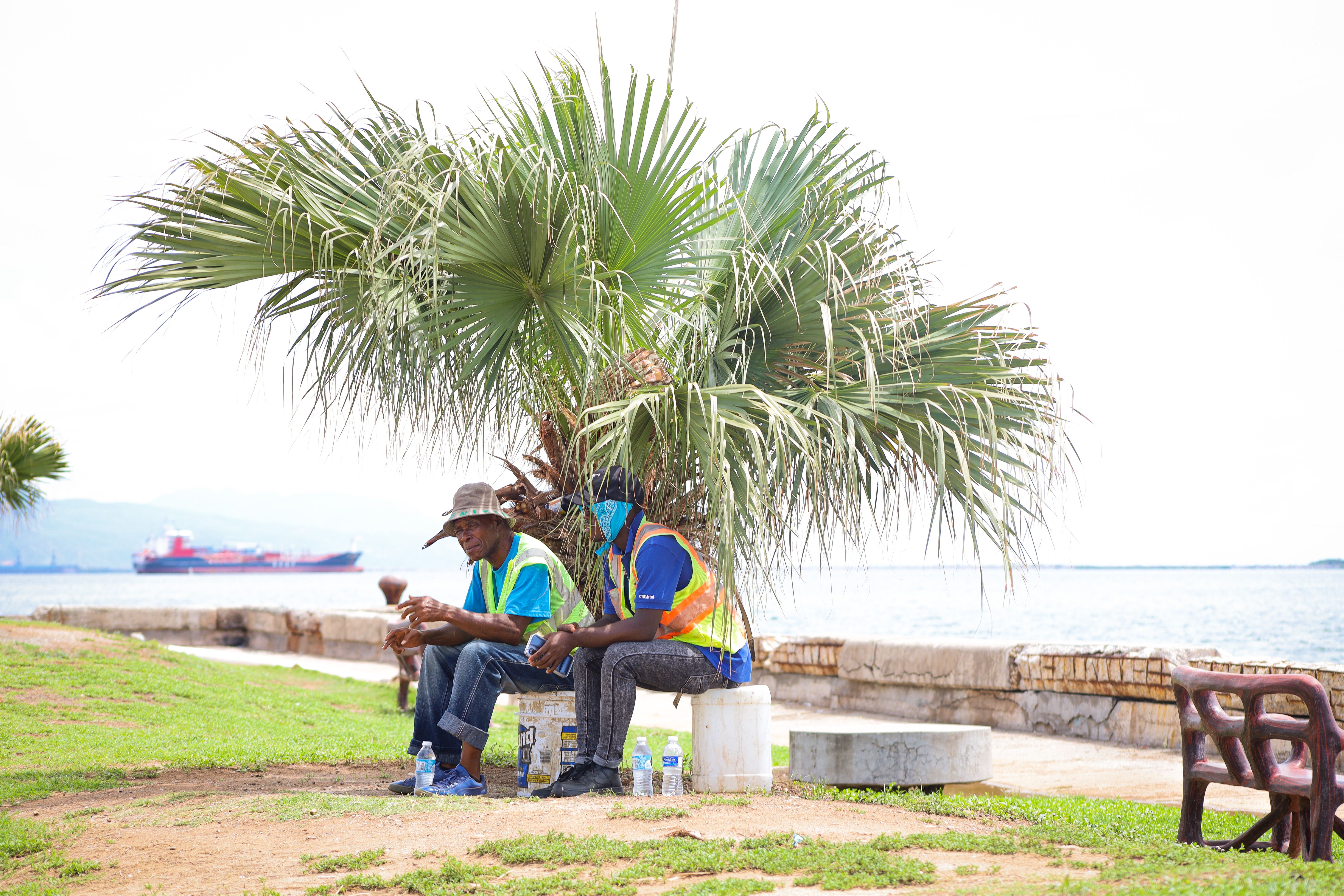
Upon going out into Kingston and seeking inspiration for this competition, I stumbled upon what can only be described as poetic. The photograph shows two workers in reflective safety vests seated under a palm tree in downtown Kingston by the waterfront, taking a break from their duties near the shoreline. Their posture, placement, and the numerous water bottles at their feet speak volumes about the physical toll of working in high temperatures, a reality that is becoming increasingly common across the region.
Rising temperatures, driven by climate change and the heat island effect, are transforming the nature of outdoor labour. Across the region in cities such as Kingston, where construction, port operations, and maintenance work are vital to urban life, workers are now exposed to longer, hotter days with limited access to shade or cooling infrastructure. The image captures not just a moment of rest, but a moment of necessity, where the heat dictates the rhythm of work and the urgency of adaptation.
The serene backdrop of the sea contrasts sharply with the harshness of the midday sun, reminding us that even in coastal environments, relief from heat is not guaranteed. As climate change accelerates, waterfronts—often seen as spaces of leisure—are also becoming sites of labour vulnerability. The workers’ reliance on natural shade and hydration reflects a broader need for climate-conscious urban planning that prioritizes human health and dignity.
This entry argues for an imagining of Caribbean urban development that centres around the experiences of outdoor workers. It calls for policies that integrate shaded rest areas, heat safety protocols, and equitable access to cooling resources. By highlighting the human cost of rising temperatures, the piece advocates for inclusive climate resilience, where those most exposed to environmental stress are protected, respected, and empowered.
Javier Dayes
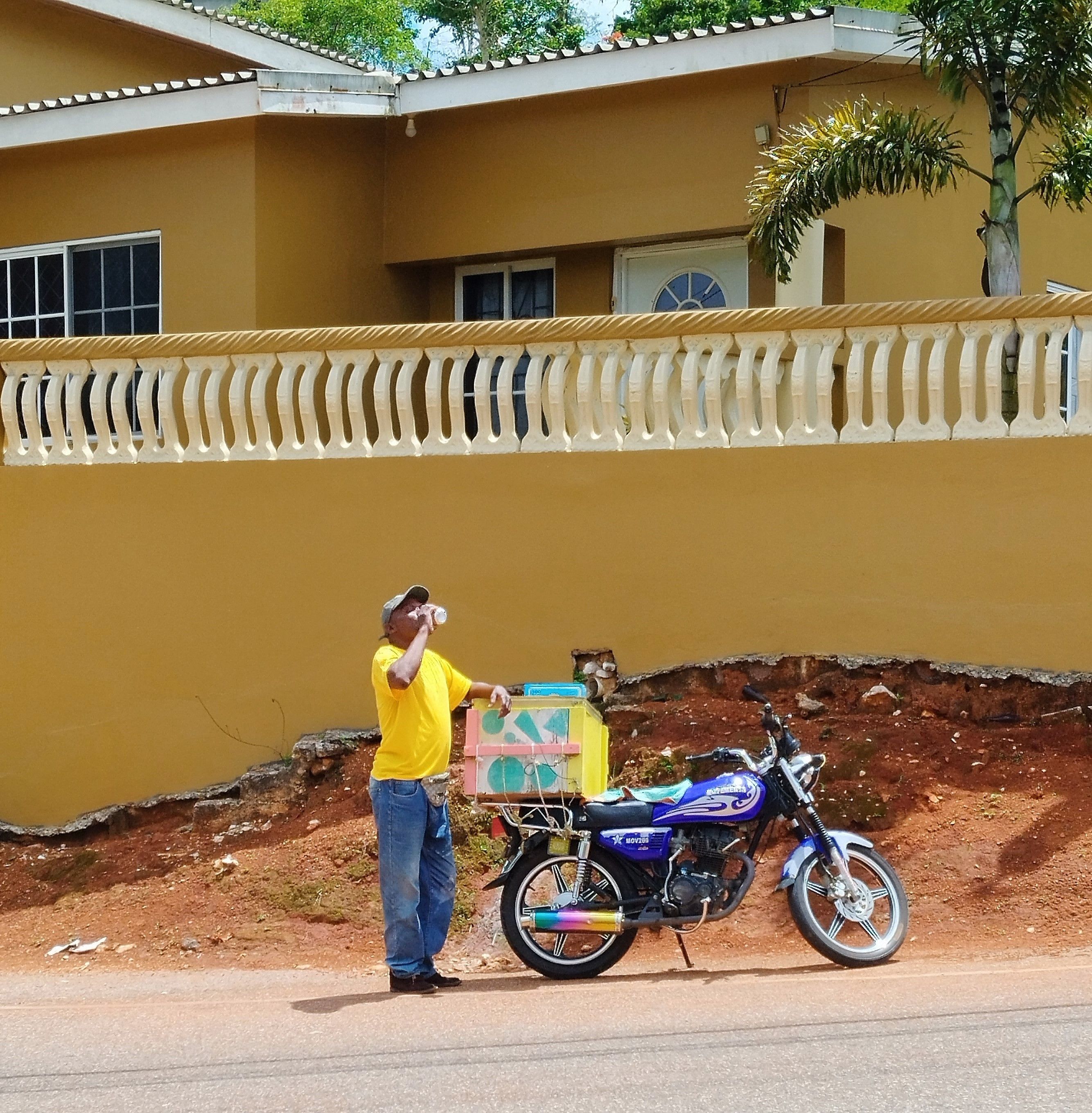
This is not simply a portrait of a man quenching thirst; it is a reflection on survival in an era of rising temperatures, where heat itself becomes an adversary.
Experts often discuss climate change through graphs, numbers, and predictions, citing rising temperatures and issuing warnings. But here, the abstraction becomes visceral. The heat is visible in the tilt of the man’s head, the urgency of his swallow, and the way his shadow clings tightly to his body on the asphalt. This photograph translates the discourse of global warming into the language of lived experience. It asks us to see not only a fleeting moment but also the embodied weight of a shifting climate pressing down on ordinary life.
This photograph communicates that climate change is not merely an environmental crisis but also a social one. It is about the laborers and vendors who must work through rising temperatures.
The image is both intimate and expansive. It holds a man in the fullness of his thirst, but it also points beyond him, to the planetary conditions shaping his pause.
Khalia Malcolm
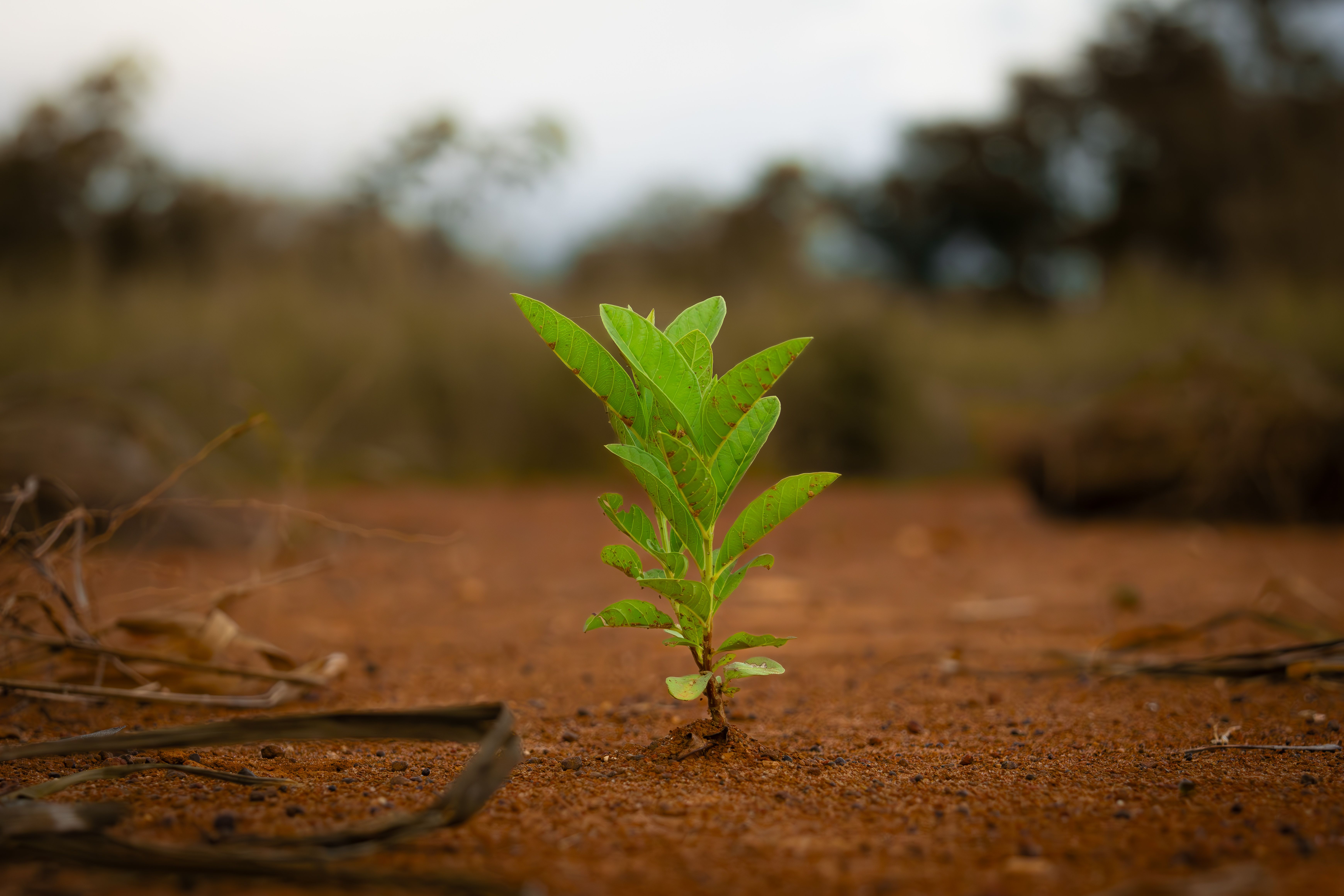
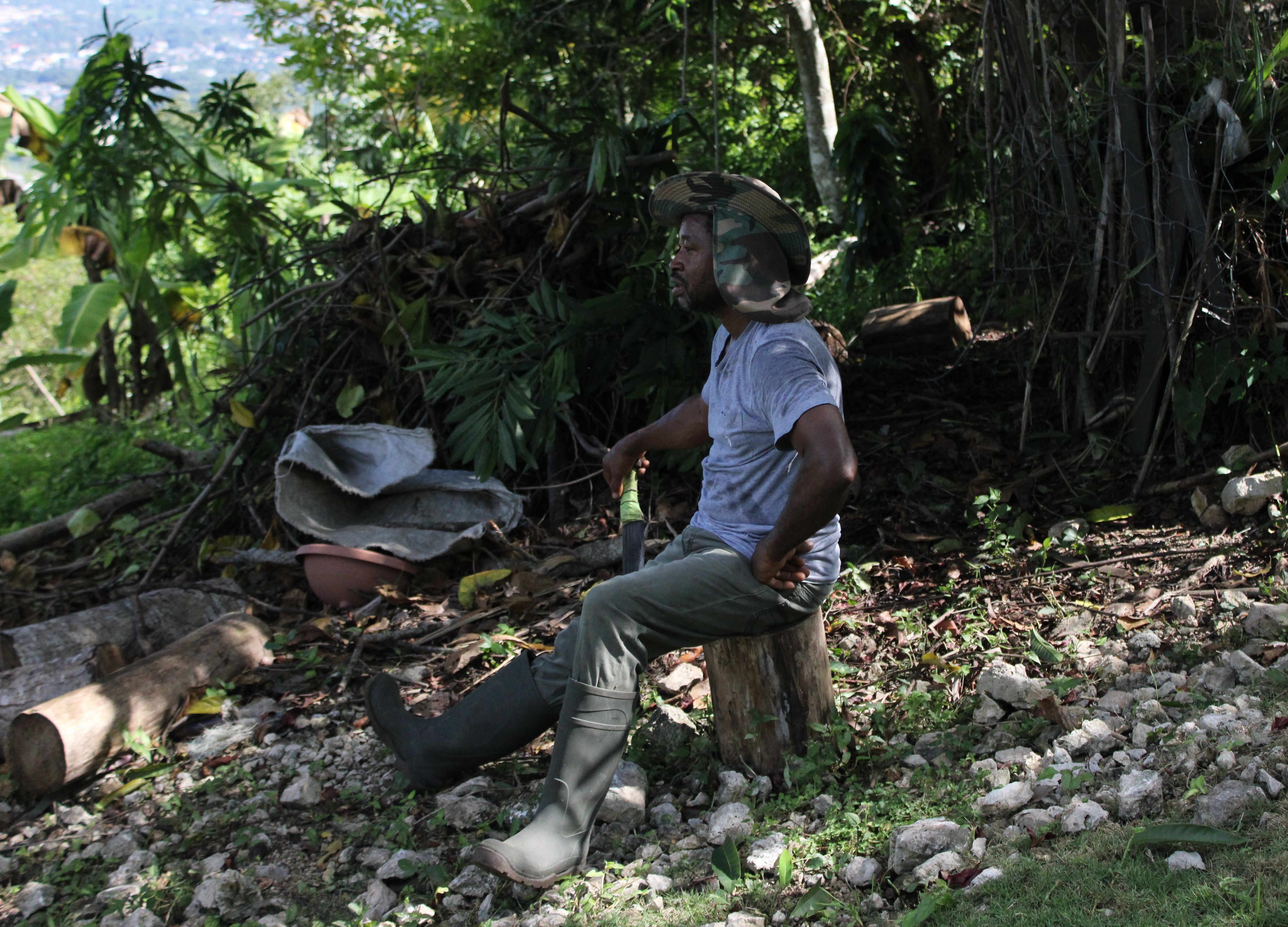
Mr Gray has intentionally built his house on the outskirts of Montego Bay city nestled in the hillside as a means to be one with nature. Attending to his small farm early in the mornings has been his daily routine since 2019. What once was a refreshing cool start tohis day has now turned into a race with time as the sun rises with the its scorching heat waves, he has come to a halt seeking solace in the shades.
Shevar Fearon
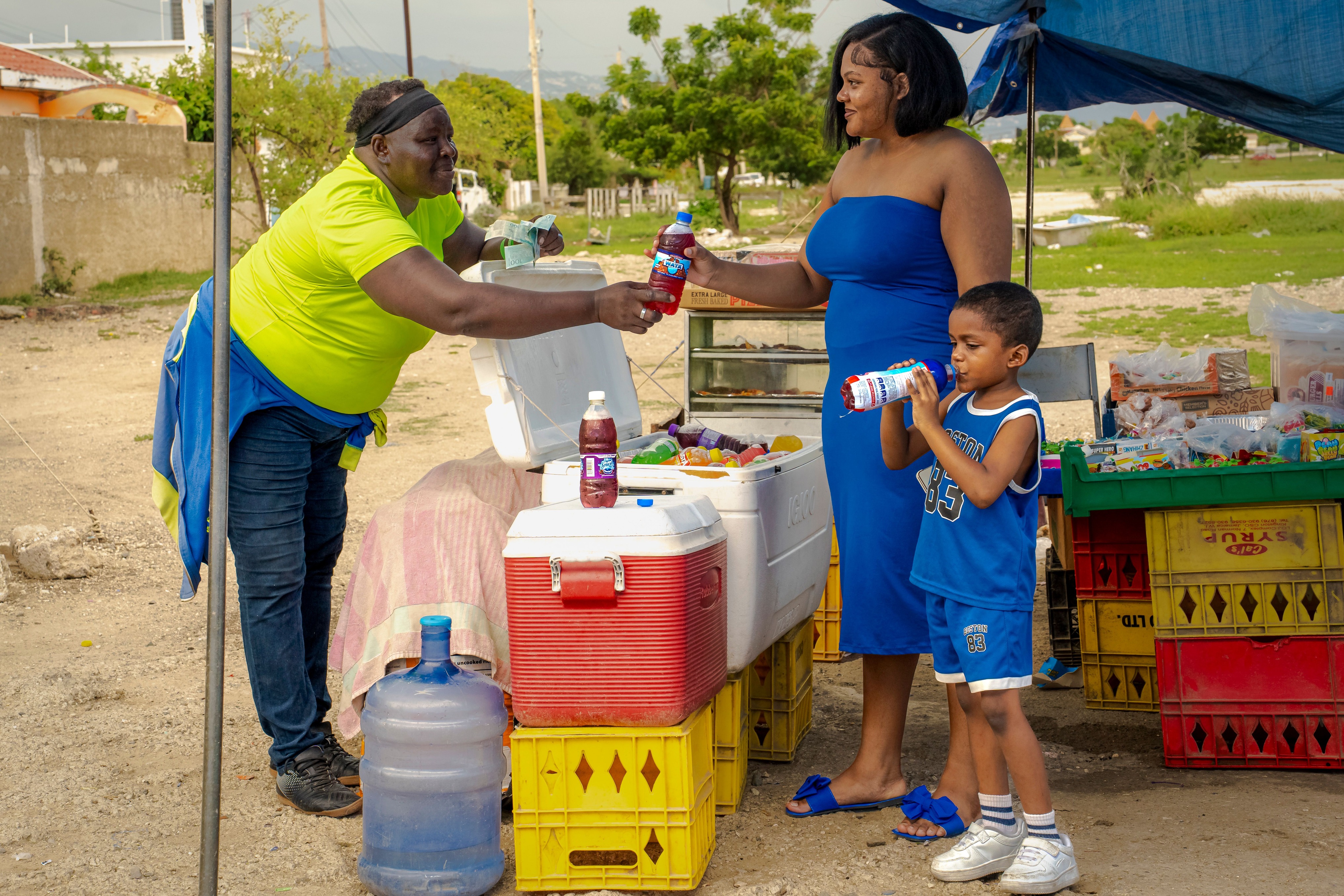
In the sweltering afternoon heat, relief is found in the simplest exchange — a cold bottle passed from vendor to customer. Beneath a makeshift tarp, the cooler becomes a lifeline, stocked with iced drinks that cut through the day’s intensity. A mother reaches for refreshment while her son eagerly sips, his posture showing the urgency of thirst. This moment, ordinary yet vital, reflects how Jamaicans adapt to the heat: through community, resourcefulness, and the small rituals of resilience. The photograph captures not just hydration, but connection — a reminder that in the face of rising temperatures, survival is often shared.