.png)


Our natural environment most obviously wears the tell-tale signs of increasing temperatures. The LANCET Report notes that 70 years of data show striking climatic changes that have put small island developing states (SIDS) at particular risk of heat stress, drought, vector-borne diseases, and food insecurity. Extreme heat causes and intensifies drought by accelerating the evaporation of surface water and increasing transpiration from plants, rapidly depleting soil moisture. The impacts of this are obvious; with droughts leading to severe agricultural losses, food insecurity, and sanitation-related diseases. Since 1976, 98% of SIDS have been affected by climate-induced or climate-exacerbated water shortages that constitute a water crisis.
Fields of dry, scraggly grass, cracked soil, and yellowed plants are no longer seasonal images but omnipresent. The photo submissions we received covered impacts from the expansiveness of dyeing mangrove forests to the minutiae of lizards struggling to survive under the relentless sun. With such self-explanatory images, the submissions included here need very few words to explain.
See the compiled photos and narratives below:
Francis Coombs
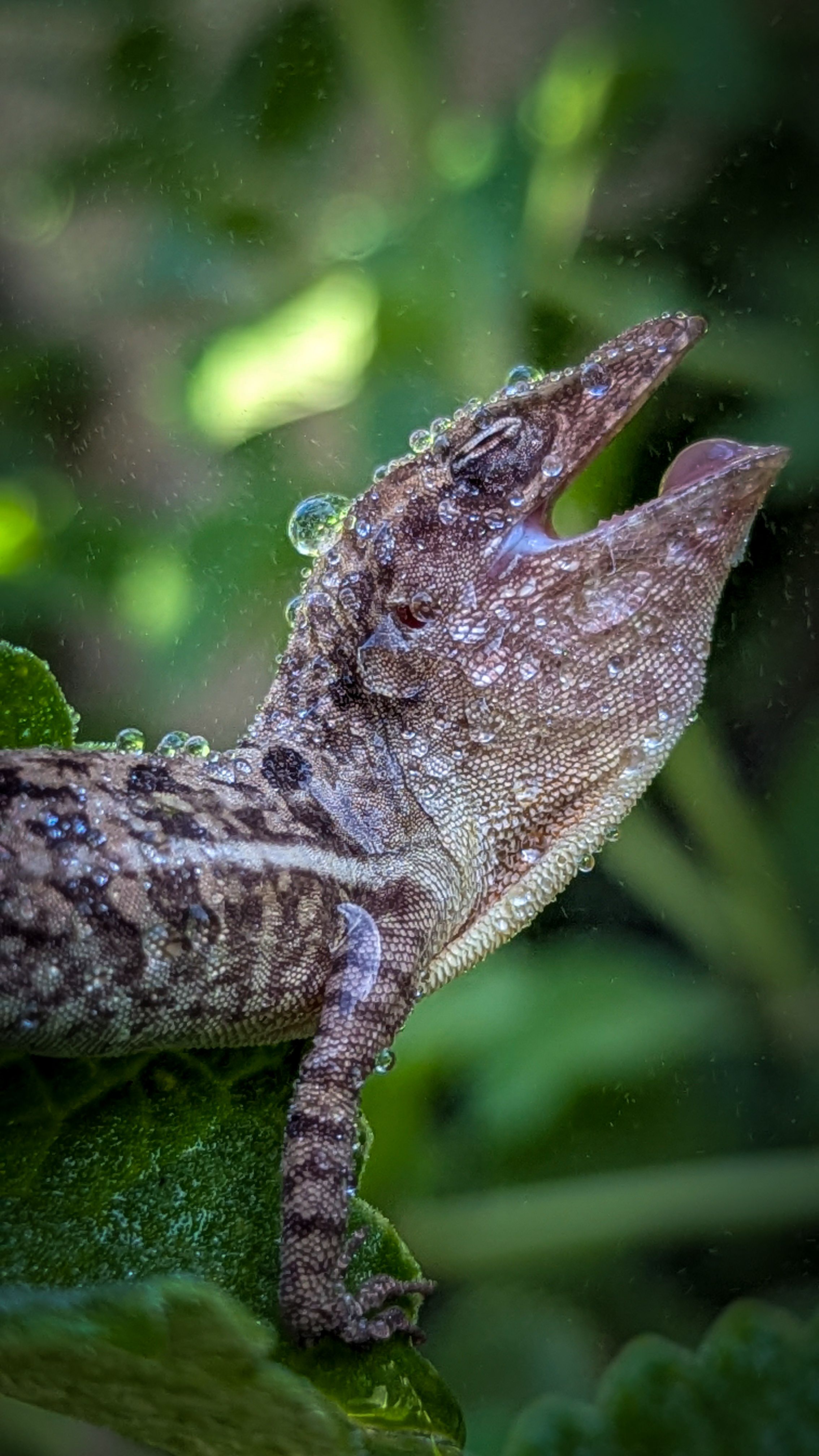
The morning had already begun to burn.
In St. Andrew, the sun doesn’t rise—it climbs like a warning. By 9 a.m., the zinc roofs were radiating heat, and the air felt thick, like it had forgotten how to move. I’d been walking through the garden, phone slung low, searching for something that spoke to the weight of the season. Not just the beauty—but the strain.
Everything was wilting. The crotons curled in on themselves, the soil cracked like old paint, and even the birds had gone quiet. That’s when I saw it—just beyond the spider plant, perched on the thick leaf of the French thyme.
A lizard. Still. not as alert, but visibly stressed.
Its skin, usually vibrant, looked dulled—almost chalky from the heat. Its chest rose and fell in shallow pulses. But what caught me wasn’t just its posture—it was the timing. The sprinklers had just come on, casting a fine mist across the plants. And the lizard didn’t run. It stayed.
I watched as the droplets began to cling to its back, forming tiny beads that shimmered in the morning light. It tilted its head slightly, opened its mouth ,letting the water gather along its spine. It wasn’t just cooling off—it was surrendering to the moment. Seeking relief in the only way it could.
I raised my phone slowly, putting it on silent, careful not to disturb it while launching my camera. And in that frame, I saw more than a reptile. I saw the story of this summer. The desperation. The adaptation. The quiet resilience.
This wasn’t merely a photo. It was a portrait of survival in a changing climate. Of how even the smallest lives are molded by the heat that now defines our days. In Jamaica, we’ve always known warmth—but this is different. The nights don’t cool down. The mornings start hot. And the rhythm of life is shifting.
That lizard, covered in droplets, became an emblem. Not of fragility—but of endurance. Of how nature, even in its smallest forms, finds a way to hold on.
Tyrone McDonald
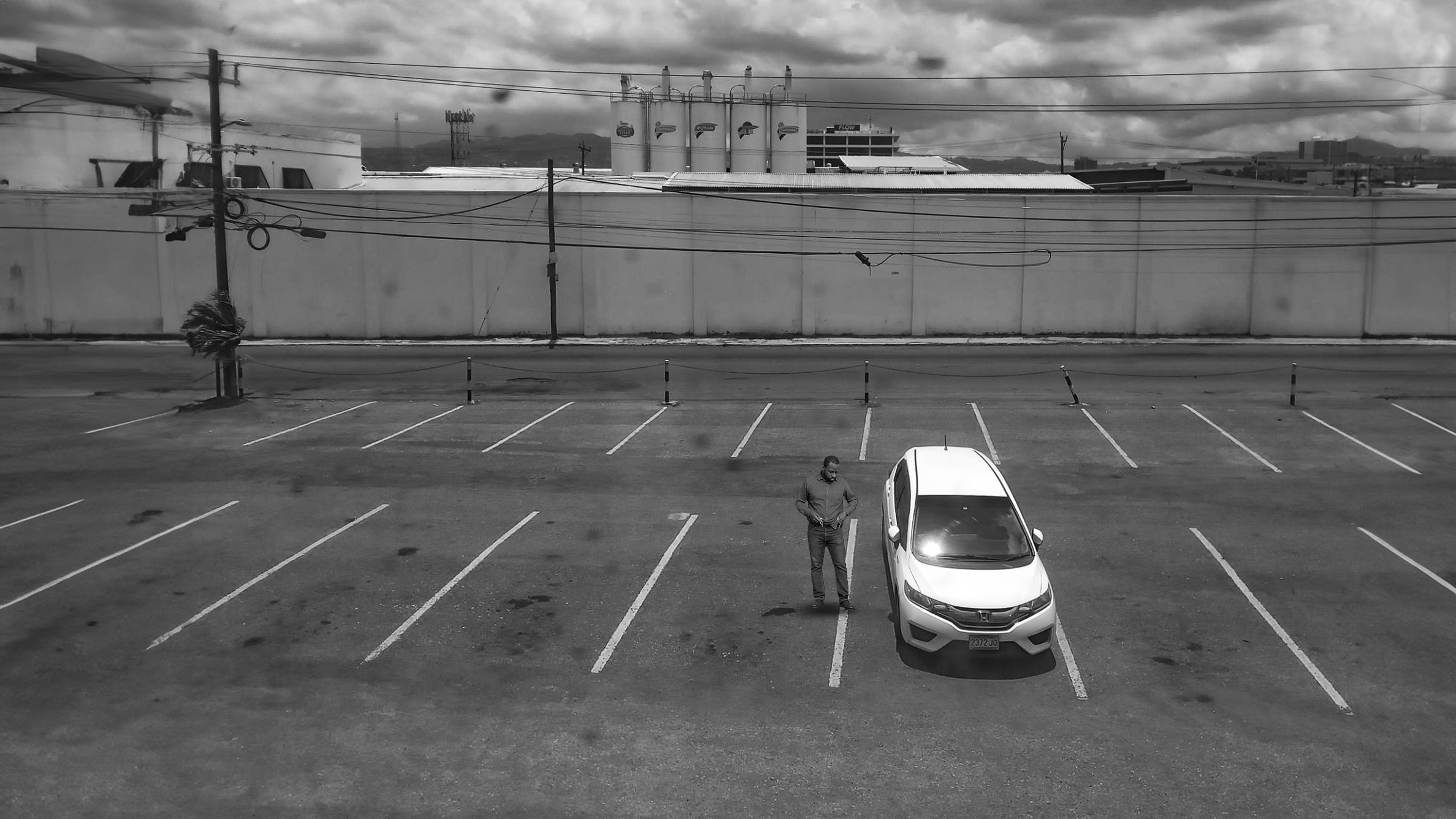
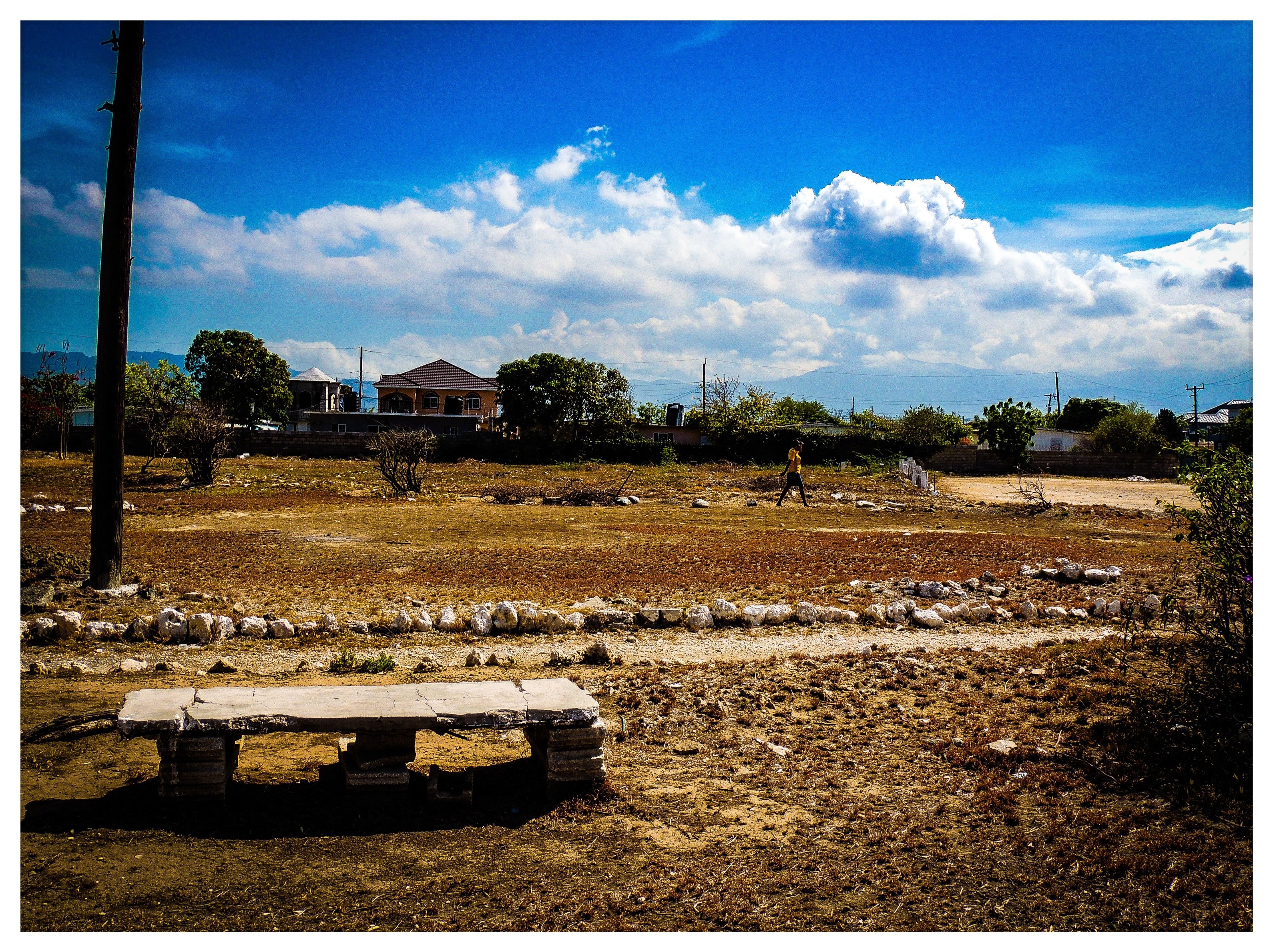
This is a photo of a section of Josh Morgan Municipal Park, an example of one of many neglected parks and a prime example of little to no prioritization of green infrastructure in Portmore, St. Catherine. Thus contributing to a scorching heat island effect in the residential city. As there is a lack of tree canopies, the park looks uninviting, rough, undermaintained, and often overlooked to the point that most people seem to use it as a shortcut to walk through and make good time rather than a destination to have a good time.
Nicholas Lee
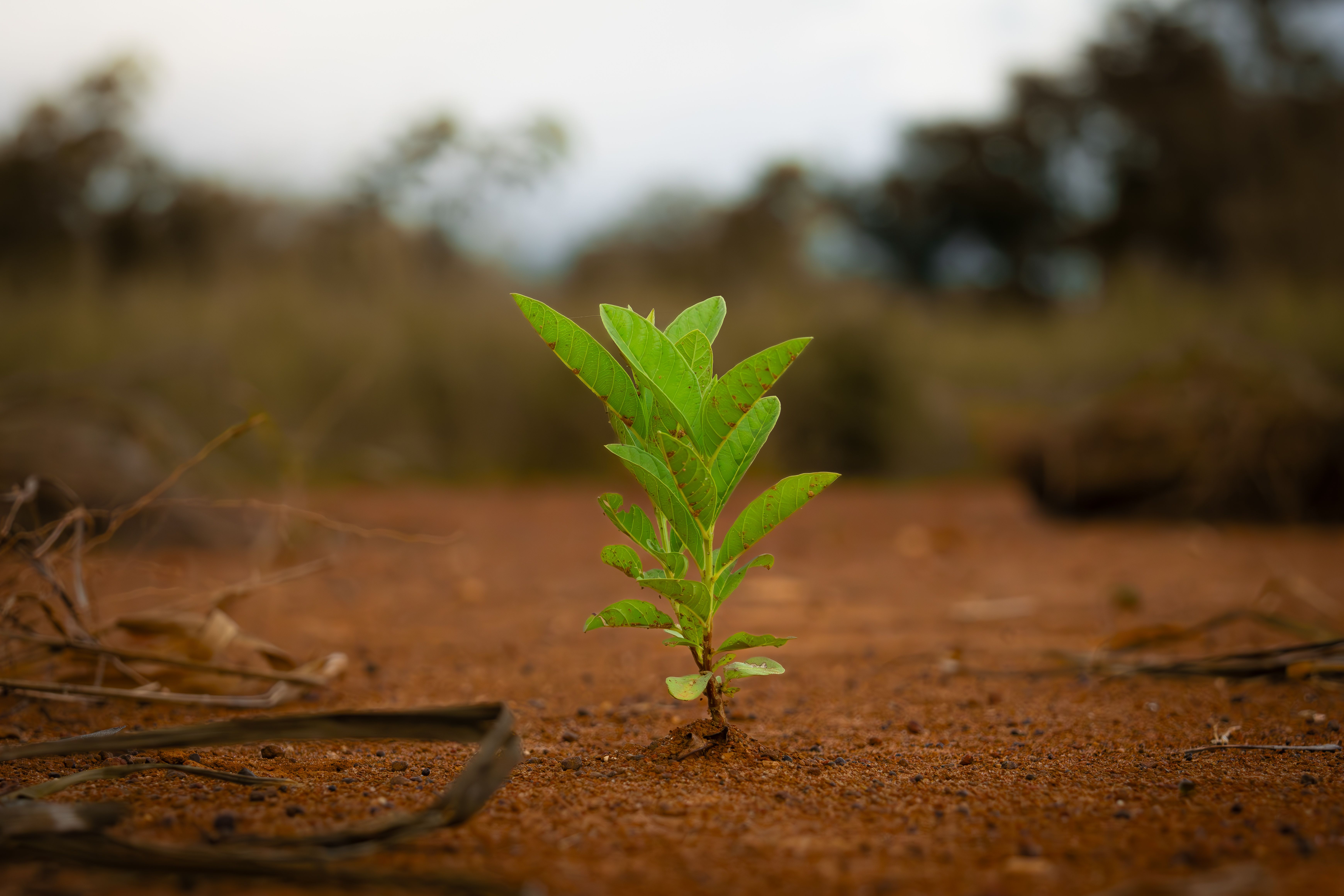
A lone plant stands in a sun-baked clay field, surrounded by the remains of those that could not endure the heat. As Jamaica faces longer dry seasons and harsher temperatures, survival becomes unlikely - some persist, most perish. This image is a reminder that resilience is not infinite; even the strongest are living on borrowed time.
Carla Girod
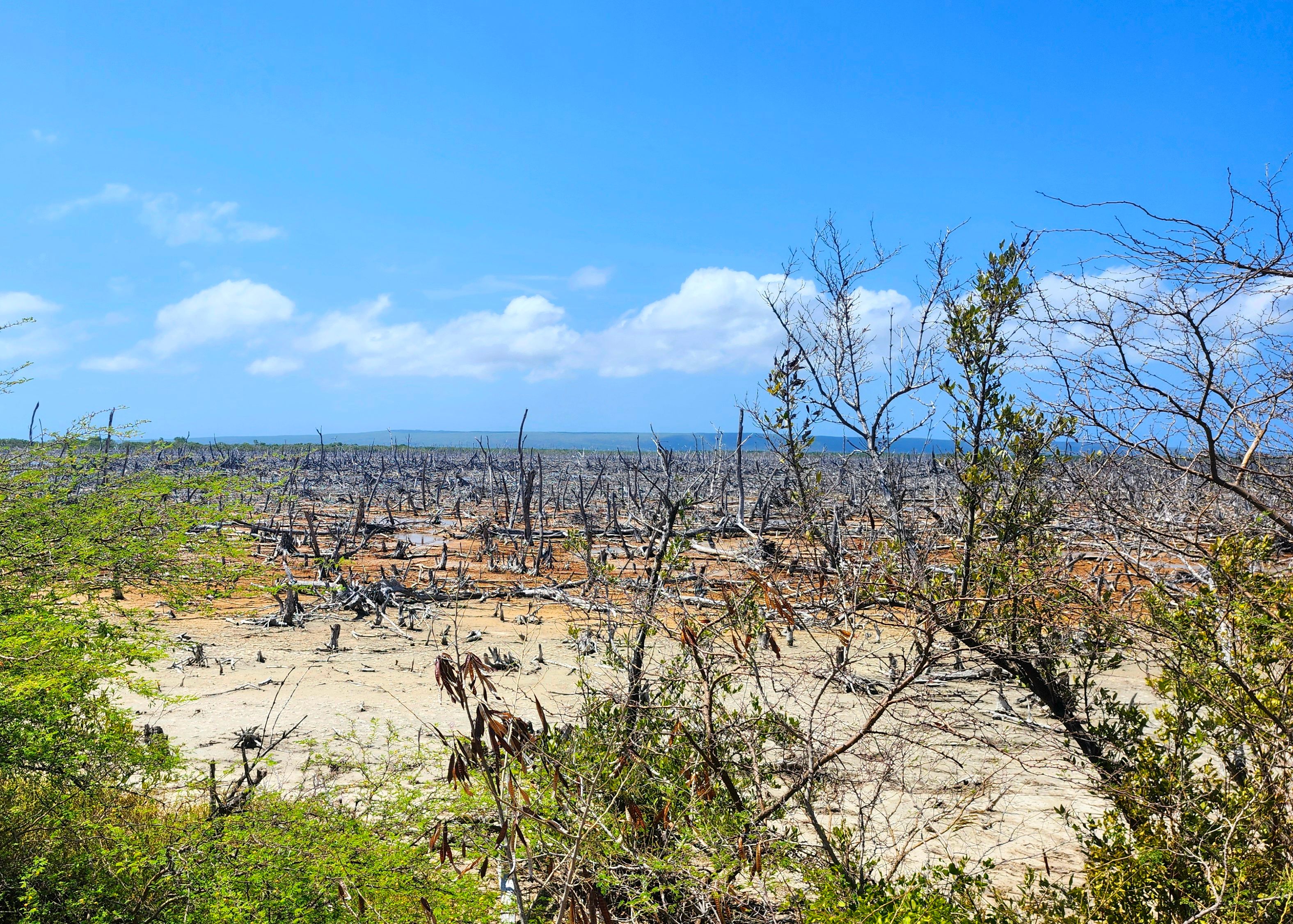
This area seems to have suffered from a natural disaster, transforming a once lush area into a mostly dry and barren state.
Location: Clarendon
Antonio Kerr
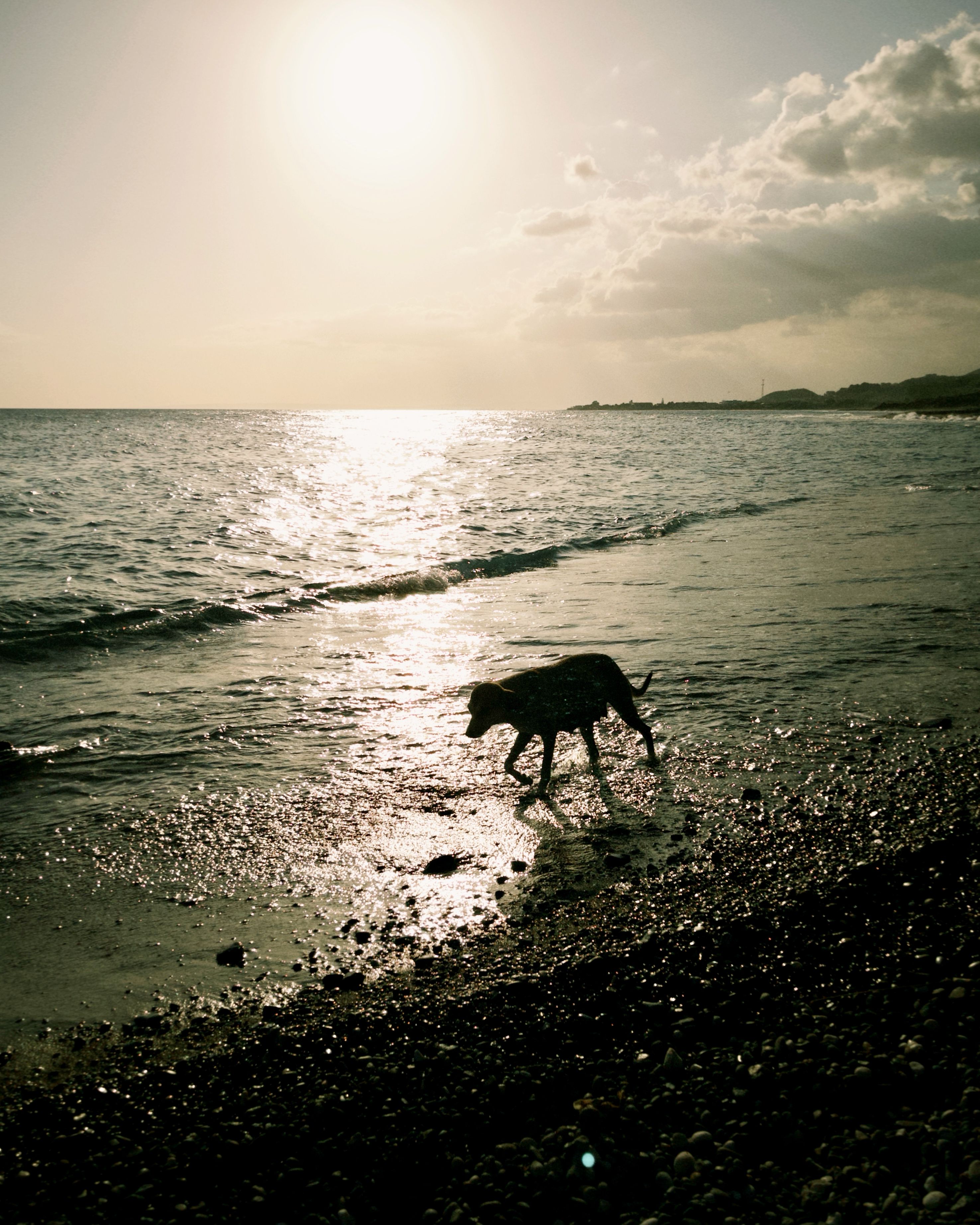
The beach is the most obvious place where one might “see heat”. We go there because we are hot, and ironically, it seems like we experience heat there more than any other place. What I didn't expect to see was a dog on the sand. No food to hunt, no bone to chase down. Wandering. Lost. Ironically, overcast in a shadow, its features hidden by the central source of heat in the universe. Its last hope: to wade in the ocean and be covered by something else. Protected by something else. Water. The dog isn’t the only one who needs water, though—our children, our neighbourhoods, our communities need water. They are sometimes lost too. Or heat-stricken. Or thirsty beyond imagination. We need to heal climate change. To overshadow it with good environmental practices. Let’s help the dog, what it represents, and fulfil our duty as its best friend.